lunes, junio 22, 2026
More
    Inicio Blog Página 6

    NEW BLOOD TEST HELPS PHYSICIANS DIAGNOSE RARE GENETIC DISEASES IN INFANTS USING JUST A SMALL DROP OF BLOOD

     
    Researchers expect their test to reduce diagnostic time in clinical settings and help identify carriers of the diseases.Clinical laboratories have always been at the forefront of helping families battle rare  diseases. But such testing is sometimes invasive and expensive. Now there’s
    a new blood test that is minimally invasive and rapidly detects thousands of rare genetic diseases in infants and children using a mere 1ml of blood.

    Developed at the University of Melbourne and Murdoch Children’s Research Institute in Australia, the test rapidly detects abnormalities using proteomics to simultaneously
    analyze the pathogenicity of thousands of gene mutations that cause rare genetic illnesses.

    The single-drop blood test sequences of proteins present in the genes rather than the genes themselves to discover how genetic changes within those proteins affect function and lead to disease. According to the scientists, the test is cost-effective, potentially eradicating the need for other functional tests, and may be applicable to thousands of different diseases. Results of the test are typically available within three days, providing patients with earlier access to any available treatments.

    Getting the Right Diagnosis

    There are more than 7,000 types of categorized rare diseases which affect approximately 300 to 400 million people worldwide. These diseases are caused by genetic mutations that exist in more than 5,000 known genes. The new test focuses on rare genetic illnesses known as monogenetic disorders, such as cystic fibrosis and mitochondrial disease, that are caused by a single gene alteration or mutation.

    According to the National Organization for Rare Disorders, 25 to 30 million Americans are living with a rare disorder. A condition is categorized as rare if it affects less than 200,000 individuals.

    Global Genes states on its website that 400 million people worldwide suffer from a rare disease and half of those diagnosed are children. It also states that 80% of those diseases are genetic and 95% of rare diseases lack treatment approved by the US Food and Drug Administration.

    On average, it takes about five years to accurately diagnose a rare disease patient. During that period, that patient sees various specialists, undergoes difficult tests, and potentially faces the wrong diagnosis, Barr said.

    Initial results stemming from the new clinical laboratory test are encouraging, but more research and clinical trials are needed before the test can be used on a widespread level.

    More information

    WORLD HEALTH ORGANIZATION APPROVES RESOLUTION ON RARE DISEASES, SPONSORED BY SPAIN


    WORLD HEALTH ORGANIZATION APPROVES RESOLUTION ON RARE DISEASES, SPONSORED BY SPAIN

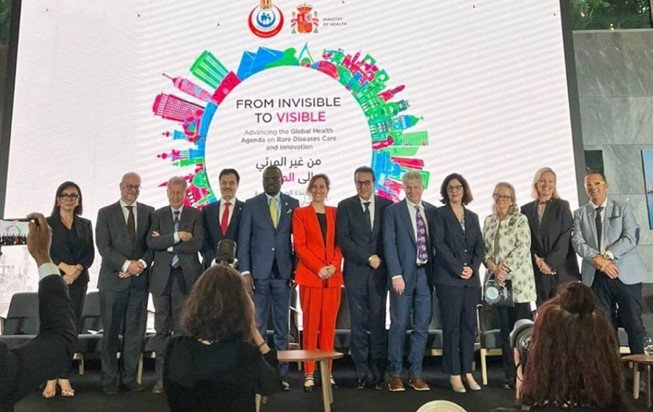
    The World Health Assembly of the World Health Organization (WHO) has given the green light to the resolution ‘Rare diseases: a global health priority for equity and inclusion’.

    The 78th World Health Assembly has adopted a landmark resolution declaring rare diseases a global public health priority, with the aim of promoting equity, inclusion and universal access to essential health services.

    The resolution, co-sponsored by Spain and Egypt, highlights the urgency of addressing the challenges faced by more than 300 million people living with rare diseases worldwide and their caregivers.

    According to the adopted text, WHO and Member States should work together to:

    • Develop a comprehensive global action plan (2025-2028): WHO will develop, in consultation with Member States and relevant organizations, a ten-year global strategic plan to improve diagnosis, treatment, research and comprehensive care for rare diseases. The draft will be presented to the 81st World Health Assembly in 2028.
    • Integration of rare diseases into national health systems: countries are urged to include these diseases in their public health policies, through national plans addressing prevention, early detection (such as neonatal screening), multidisciplinary care, rehabilitation and psychosocial support.
    • Strengthening universal health coverage: the resolution focuses on equity in access to essential services and calls on states to expand health coverage to ensure timely diagnostics, affordable medicines and health technologies, without placing a financial burden on families.
    • Promoting research and innovation: the need to increase public and private investment in research into rare diseases, many of which still lack effective treatment, is recognized. Partnerships between governments, scientific institutions, the private sector and patient organizations will be promoted.
    • Health education and training: the resolution emphasizes the training of health professionals from the formative stages, in order to improve detection, the clinical approach and provide appropriate care for patients, thus avoiding erroneous or late diagnoses.
    • Involvement of patients and civil organizations: the active inclusion of people living with rare diseases and their organizations in policymaking, health planning and service evaluation processes is encouraged to ensure a patient-centred approach.
    • Data collection and creation of national and international registries: countries are encouraged to create or strengthen rare disease registries, and to adopt coding systems such as ICD-11 or Orphaned nomenclature, to improve statistical visibility and evidence-based decision-making.
    • International cooperation and equitable access to treatment: cooperation between countries will be promoted to facilitate global access to effective, safe and affordable treatment, especially in regions with limited resources. The resolution also highlights the role of digital technologies, such as telemedicine, in bringing specialized care to remote areas.

    Furthermore, the resolution underlines the need to actively include patient organizations and people living with rare diseases in decision-making processes, as well as to remove the social, economic and cultural barriers that still today hinder their access to fundamental rights such as health, education and employment.

    The WHO will present an initial report on the implementation of this resolution in 2026, and a draft action plan in 2028, thus consolidating a new framework for global cooperation on these neglected diseases.

    More information 

    ELENA ARCEGA RABADAN – RESEARCH, VISIBILISATION AND INFORMATION: THE THREE PILLARS TO ADVANCE RARE DISEASES

    Elena Arcega Rabadan

    President of the Association for the Fight against Inflammatory Biliary Diseases (ALBI) Spain


    As a patient with primary biliary cholangitis (PBC) and president of ALBI Spain, could you tell us about your experience until you were diagnosed? What barriers did you encounter along the way, and do you consider that these difficulties are common in other countries with which you have contact through the association?

    EA: The truth is that my diagnosis process was not like that of most people. I was «lucky» enough to suffer a deep vein thrombosis, which led to more extensive tests. The changes were so obvious that the diagnosis came quickly. I was itchy and thought, «I must be allergic to bed sheets, who knows why». I felt tired, but I put it down to routine, to just «being tired». I had learned to live with it all without questioning it. It was only after the diagnosis, as I learned more about the disease, that I realised that I had had it for a long time without knowing it.

    In general, the problem with diagnosis in this disease is that it is often delayed. The tests may seem to be compatible with other things, and they say: «let’s see if it’s fatty liver» or «maybe it’s alcohol». Unfortunately, there are still doctors who, when faced with liver disorders, assume that there is high alcohol consumption. This bothers us patients deeply, because we feel that we are being judged without knowing our reality. But it is also understandable: the analyses can be confusing, and many professionals are not familiar with this disease, although fortunately it is becoming more widely known, even though it is still a minority disease.

    Another factor that greatly delays diagnosis is when the initial symptom, such as pruritus, brings you to the dermatologist. You start with one cream, then another, and so time goes by without anyone looking any further. This is not unique to Spain; it happens all over Europe. The time to diagnosis usually ranges from two to four years, as with many rare diseases. In my case, as I said, it was atypical. But the most important barrier we keep seeing is the same: lack of knowledge in primary care. It is understandable that they are not aware of all rare diseases, but it is essential that they suspect and refer early to a specialist.

    Fatigue, like pruritus, is a profoundly disabling symptom and continues to receive neither the attention nor the recognition it deserves

    PBC is a chronic, progressive and potentially disabling disease. How has it impacted on your quality of life and that of other patients with whom you have shared experience? What needs remain unmet today, both in clinical and social terms?

    EA: The disease has two main symptoms that particularly affect us: pruritus and fatigue. I start with pruritus because it is easier to explain. Itching is extremely unpleasant and can be disabling, especially at night. Yesterday I was talking to a patient who told me: «my day starts at two o’clock in the morning, when I can no longer sleep because I keep scratching». Added to this are poor sleep quality and the numerous problems that result from insufficient rest. Itching can even cause skin wounds. It is a symptom that, in my view, is not as highly valued as it should be, despite the enormous impact it has on quality of life.

    However, it seems that new treatments could offer better results, and we are hopeful that this will move forward and we will finally get this symptom under control. Then there is fatigue, which in PBC has a very particular nature. It’s as if you suddenly run out of strength. The day becomes shorter, because you do anything and you need to stop. Often, you know in advance that an activity is going to knock you out and that you’re going to need a day or two to recover. We have to learn to dose our energy. I often refer to the «spoon theory», popularised by a woman with rheumatoid arthritis: each action consumes a «spoon» of energy, and you have to work out how many you can spend per day.

    At first, you tend to normalise it. You think: «I’m tired, it must be because of what I’ve done». You don’t realise that fatigue is part of the clinical picture. It is surprising when you start talking to other people and they all tell you the same thing. Also, there is an important bias: most of the patients are women, mostly in middle age, many going through the menopause. And what we usually hear is: «you are tired like all women your age». But it’s not the same. You see that the people around you have an energy that you don’t have. They go out for dinner, for drinks, for socialising… and you just don’t make it. But, again, you end up normalising the symptom: «well, it’ll be my turn». And it shouldn’t be like that. Fatigue, like pruritus, is a profoundly disabling symptom and continues to receive neither the attention nor the recognition it deserves.

    In the context of rare diseases, access to innovative treatments is often unequal. Do you think that access to therapies for PBC varies significantly between countries? Have you identified notable differences in terms of funding, availability or drug approval times?

    EA: We experienced a complicated situation in this disease when a second-line treatment was negatively reassessed by the European Medicines Agency (EMA). This created a very difficult period for patients. In Spain, however, we were somewhat fortunate: patients who were already receiving this treatment were allowed to continue with it, as long as the doctor considered it to be beneficial. It was managed as a medicine for foreign use.

    In other countries, such as the United States and the United Kingdom, the same treatment continued to be prescribed as normal. In Europe, however, the decision was more drastic: it was completely withdrawn.

    After that, two new treatments arrived. One was approved in September and the other, if I remember correctly, in January. The truth is that sometimes my memory fails me (mental fatigue is also one of the symptoms of our disease) and I find it difficult to remember dates with precision. What is true is that, although the EMA approved both drugs, in Spain the process to final approval and pricing was slower.

    In our country, these two treatments were finally processed through an emergency procedure. Fortunately, they are now approved and available, but we have noticed that the process was more agile than in other cases precisely because we were coming from a critical situation: we had been left without a viable therapeutic alternative.

    The patient needs guarantees: to know that they will have access, that the treatment will continue, that it will work and that it will be monitored

    Talking to other rare disease associations, it is clear that there are important differences between countries in the timing of access to new treatments. And in many cases, these differences are very marked. In our case, the emergency pathway was fundamental in order not to leave patients without therapeutic options.

    From your point of view as a patient and association representative, what is your opinion on payment-by-results models that link reimbursement of a treatment to its real benefits for the patient? Do you think that such strategies can contribute to ensuring equitable and sustainable access to innovative therapies in rare diseases such as primary biliary cholangitis?

    EA: This is a very difficult question. I have given it a lot of thought and discussed it with doctors, pharmacists, hospital professionals and even with some pharmaceutical companies. While I have not had the opportunity to engage directly with Ministry officials, I have been able to converse with those close to the decision-makers. And yet, it is not an easy question to answer.

    I believe that payment-by-results models can facilitate the speedy introduction of medicines, and that is a very good thing. However, it can also have less beneficial effects if it is not well managed. For example, it could slow down the process on the part of the payer or the regulatory committee, because you get into a logic of «I give you the treatment now and we’ll see if we’ll pay for it later». This could lead to inequalities: not all patients may have the same access if pharmacies or hospitals decide to distribute treatments cautiously. In the case of minority diseases, as there are few patients, this should not represent a major problem for the sustainability of the system. But, I insist, it is not a simple matter. After much thought, I come to the conclusion that yes, it can be a positive model, as long as the patient is not directly affected and does not perceive it directly. It is something that needs to be managed between the Ministry and the pharmacies or funders, without interfering with the patient’s experience. The most important thing is that patients have access to the treatment. The patient needs guarantees: to know that they will have access, that the treatment will continue, that it will work and that it will be monitored by their doctor. This security is fundamental.

    The application of technological solutions in patient monitoring and real-life data collection is key to these models. What do you think is the role of patients in the generation and use of this data? Are there any international experiences that we should learn from to better integrate the patient’s voice in this process?

    EA: From my experience as a patient and also from what I see in my association, I think that rare disease patients are very eager to participate in clinical trials. But, paradoxically, those who are the worst off are often the ones who want to participate the most, and they are often precisely those who are unable to do so. If you’re well, you don’t take the risk; if you’re bad, you’re out of the trial. It’s a serious problem.

    And there is another drawback: the small size of the trials. Since these are rare diseases, the sample sizes (the n-values) tend to be very small. This makes the robustness and validity of the results very difficult. With so few participants and so few sites, it is not possible to do robust clinical trials. This is why I believe that more attention needs to be paid to real-life data.

    Europe is starting to move in that direction. Projects are being developed to put more value on studies based on real-life data. And I think this should be applied to practically all rare diseases: to include more quality of life tests, more tools that assess how the patient feels and how he or she lives in everyday life. For example, I cannot interpret my liver tests, but I can know if my tiredness is normal or not. And that part, which is essential, is what we should teach patients to communicate.

    How can we act? Just this morning a patient was telling me that her doctor was not paying attention to her when she talked about her fatigue. She said: «I’m exhausted, I can’t work and I can’t go to the gym.

    One of the two things I have to sacrifice». And her work is sedentary. But of course, the only thing they recommend is «exercise». As if that were so easy. She needs to move, yes, because it helps to improve her symptoms. But she also needs her doctor to understand that she can’t do everything. I suggested something that I think works for everyone: keep a calendar where you write down, by hours, what you do for two or three days. When you go to the doctor’s office, show it to him: «This is what I do, this is what I rest, this is what I sleep, this is my real life». It’s a way of showing fatigue in an objective way.

    There is a doctor I admire very much who recommends that, before every consultation, we print out a diagram of the human body and mark on it what has hurt us, when, how… if we have had a headache, joint pain, intense fatigue. Even if the liver doesn’t hurt (which it doesn’t), it helps us to situate and reflect on how we are doing. Going to the consultation prepared is key.

    I think we lack education as patients. We lack training to be able to communicate better how we feel. If we all prepared ourselves well before seeing the doctor (who already has very little time to see us), we could help him or her a lot. And the doctor would also be able to assess how we really are.

    It is important to be able to collaborate, get to know each other and work together for a common cause: the defence of patients, at a global level

    How does ALBI Spain work with other European or international organisations to support patients with inflammatory liver diseases? What opportunities exist to strengthen global collaboration in research, diagnosis and access to orphan treatments?

    EA: ALBI Spain collaborates with different international organisations. For example, we work with the PBC Foundation, participating in working groups within the European network ERN RARE-LIVER. We also collaborate with patient associations in the United States, especially in the field of advocacy and in the translation of content into Spanish to facilitate its dissemination in Spanish-speaking countries. We highly value the potential of language as a tool for cohesion and access.

    We are part of the Spanish Federation for Rare Diseases (FEDER), together with the National Federation of Liver Patients and Transplant Recipients (FNETH), and we also actively participate in ELPA (European Liver Patients’ Association). In addition, we are involved in the creation of a new European federation of associations focusing on rare liver diseases, which is taking its first steps this summer. Although I don’t remember their exact acronym now, we have already started working with them.

    In terms of treatment development and patient advocacy, we also collaborate with the pharmaceutical industry. We want to be informed about how the processes are progressing and to be able to bring in the patient perspective from the beginning. At the European level, we are in contact with associations in Portugal and Italy. There is a very positive relationship between organisations, and we are always willing to support each other in any way we can.

    I believe that ALBI Spain is positioning itself very well at the European level, and this will open many doors for us in the future. But beyond that, the important thing is to be able to collaborate, get to know each other and work together for a common cause: the defence of patients, at a global level.

    Of course, there are differences between countries. The UK, for example, has a very strong federation for diseases such as primary biliary cholangitis. We continue to work closely with them, although their situation is different because they are outside the European Union. They still use the second-line treatment that is no longer available here. As you can see, there are nuances and inequalities, but within Europe we are increasingly united. And that is great news.

    Our aim is to work for the diseases we support, and we do that as best we can

    Finally, what challenges do you see as priorities in the short and medium term in addressing this and other rare liver diseases, especially in relation to therapeutic innovation and access models that ensure equity at a global level?

    EA: The first thing we need is clear, accessible and up-to-date information. And second (but not least), research. We cannot stop research. In the minority diseases that we at ALBI support, there are many that are barely known, or that have not progressed for decades. And this cannot continue.

    We also need visibility. Doctors must play an active role in helping us to make these diseases visible and to accompany people who, for a long time, have felt alone. Knowing that there are more people like you is comforting and empowering. That is why we must continue to research and raise awareness, again and again.

    There are diseases such as autoimmune hepatitis that have been treated with the same drugs for more than 30 years. What if there was something better? We have to keep looking. Also in primary sclerosing cholangitis, a disease that often leads directly to transplantation. We know how to do transplants, but shouldn’t we consider how to avoid them in the first place?

    Progressive familial hepatic cholangitis is a very tough paediatric disease, although adults are also diagnosed. Caroli syndrome, for example, has only four or five people diagnosed in Spain. We need people to talk about it, for all hepatologists to know that it exists, and if they know of a case, they can share their experiences. The same happens with Alagille syndrome, which is also a childhood disease and which, although it can be treated, in many cases leads to a transplant. These are genetic diseases, many of them ultra-rare, which are still being researched little by little, and which need to be named. Because if they are not named, they do not exist.

    As an association, our role is to raise awareness, support patients, and dedicate all the resources at our disposal to this cause. We collaborate with whoever wants to collaborate, and we give everything we can. But we must not forget that we are volunteers… and we are also patients. And that is hard. Because, in addition to the work, we also carry our own itch, our own fatigue, our own «I can’t take it anymore» days. Most PBC patients suffer from fatigue or itching. It is true that some patients do not develop these symptoms and I wish we were all equally well. But many patients have no cure and continue to deal with chronic symptoms every day. That is why it is so important to strengthen research and visibility. We are linked to FEDER and EURORDIS, and we are also part of Orphanet. Our aim is to work for the diseases we support, and we do that as best we can.

    TAMARA HUSSONG MILAGRE- REDEFINING ACCESS AND EQUITY: THE VOICE OF EVITA IN HEREDITARY CANCER CARE

    Tamara Hussong Milagre

    Member of Associação de Apoio a Portadores de Alterações nos Genes Relacionados com o Cancro Hereditário (EVITA Cancro) – Hereditary Cancer, Association of Patients with Hereditary Oncological Diseases (Portugal)


    Could you briefly introduce the mission and work of EVITA Cancro in relation to patients with hereditary oncological diseases?TH: The EVITA Association for Hereditary Cancer supports patients and their families affected by hereditary cancer syndromes, focusing on advocacy, education, precision prevention, precision early detection, and access to precision medicine. Our mission is to empower patients and their families by providing information about genetic predispositions to cancer, facilitating early detection, and promoting access to appropriate treatments. We work to raise awareness about the unique challenges these patients face and advocate for their needs within the healthcare system.Currently, only 20% of genetic variant carriers with a high risk for hereditary cancer have been identified. The main barrier to genetic testing is the lack of genetic literacy among healthcare professionals outside oncology and medical genetics. Additionally, we face extremely long waiting times for genetic counseling, genetic testing, and the communication of results. To address these and other gaps, we have developed a digital platform called the EVITA Platform, designed to help individuals and healthcare providers assess cancer risks and determine if genetic counseling is beneficial. The platform includes a questionnaire based on national recommendations, provides immediate results and recommendations, and offers the possibility to schedule an appointment with our genetic counselor through a digital agenda. I can elaborate further on the platform’s multiple functionalities later if needed.

    Outcome-based payment models offer a promising strategy to improve access to therapies for rare or genetically based diseases, including hereditary cancer. 


    Based on your experience with EVITA and as a patient advocate, what are the main barriers to accessing innovative treatments, such as orphan drugs, in Portugal and across Europe?TH: Based on my experience within EVITA and as a patient advocate, several key barriers impact access to innovative treatments, including orphan drugs, in Portugal and across Europe. Regulatory hurdles and lengthy approval processes can delay access to new therapies, with considerable variability in regulations between countries adding further complexity. High prices for innovative treatments often pose challenges in securing reimbursement from public health systems, significantly limiting patient access. Additionally, there is limited awareness among healthcare providers, who may not be fully informed about available innovative therapies, leading to under-prescription and delayed treatment. Geographic disparities, differences in healthcare infrastructure, and varying levels of funding across regions also contribute to unequal access to treatments.
    How do you assess outcome-based payment models as a strategy to improve access to therapies for rare or genetically based diseases, such as hereditary cancer?TH: Outcome-based payment models offer a promising strategy to improve access to therapies for rare or genetically based diseases, including hereditary cancer. By aligning payments with patient outcomes, these models incentivize healthcare providers and pharmaceutical companies to focus on delivering effective treatments. However, their success hinges on accurately defining and measuring relevant health outcomes that truly reflect patients’ experiences and needs.
    One of the main challenges of these models is defining and measuring health outcomes that truly matter to patients. What role do you think patient organizations should play in this process?TH: Patient organizations play a critical role in defining and measuring health outcomes that matter to patients. They can gather direct patient input through tools like the EVITA Platform, which allows for periodic feedback collection. Patient organizations can facilitate discussions and collect patient feedback to identify what outcomes are most important. Promoting standardization by advocating for standardized metrics that reflect patient priorities in clinical trials and evaluations is essential. Collaboration with stakeholders (including healthcare providers, researchers, and policymakers) is also crucial, as patient organizations uniquely connect all these stakeholders, ensuring that patient perspectives are integrated into outcome measurement frameworks.

    There are several risks associated with outcome-based models, including potential delays in access

    Digitalization and the use of real-world data are becoming increasingly important in monitoring treatment outcomes. Are patients sufficiently informed and empowered to actively participate in such models?TH: While digitalisation and the use of real world data are advancing, patients often face challenges in being sufficiently informed and empowered to participate actively. Once again, our EVITA platform can help to ensure that patients are educated about these models and that their significance is crucial. We can help by providing resources and training on how to engage with digital tools and understand the implications of real world data actually. We have the EVITA school in mind to boost education and in multiple areas linked to the health literacy.
    In your view, are there any risks associated with outcome-based models, such as delays in access or lack of transparency in defining outcome indicators?TH: There are several risks associated with outcome-based models, including potential delays in access if payers and providers overly focus on specific outcome indicators. A lack of transparency in defining these indicators can lead to confusion among patients and healthcare providers regarding what constitutes success. Furthermore, these models may inadvertently prioritize short-term outcomes over long-term health benefits, potentially failing to fully capture the patient experience.
    Finally, from a European perspective, what best practices would you highlight regarding patient involvement in the evaluation and financing of innovative therapies? What recommendations would you make to policymakers to ensure that these strategies remain patient-centered?TH: From a European perspective, best practices regarding patient involvement include establishing clear policies that mandate patient participation in the evaluation and financing processes of innovative therapies. Supporting education initiatives is crucial, there must be investment in educational programs that empower patients to engage meaningfully in healthcare decisions. Creating collaborative platforms is also important to foster cooperation between patient organizations, healthcare providers, and industry in sharing insights and best practices.Our recommendations to policymakers include ensuring inclusivity by developing strategies that actively involve diverse patient populations in discussions about innovative therapies. It is also important to monitor and evaluate outcomes by implementing systems that assess the impact of patient involvement on therapy access and health outcomes. Lastly, legislative support is vital, there should be advocacy for legal frameworks that prioritize patients’ rights and access to innovative treatments. By prioritizing these best practices and recommendations, we can create a more patient-centered approach to healthcare that improves access to innovative therapies, particularly for those with hereditary cancer and other complex or rare diseases.

    ANNALISA SCOPINARO – INNOVATION AND EQUITY IN RARE DISEASES: UNIAMO’S VISION

    Annalisa Scopinaro

    President of the Italian Federation of Rare Disease Patient Associations (UNIAMO)


    UNIAMO is the Italian Federation of Rare Disease Patient Associations and plays a key role both nationally and internationally. Could you briefly explain UNIAMO’s mission and how the organization works to improve access to diagnosis, treatments, and innovation for people living with rare diseases in Italy?

    AS: UNIAMO’s mission can be summed up in one sentence: to improve the quality of life for people with rare diseases. Of course, this is easier said than done. Achieving this goal requires the implementation of a variety of actions involving multiple stakeholders within the complex rare disease ecosystem.

    All of the Federation’s activities follow a defined strategy, which is structured around four key pillars in the field of rare diseases: early diagnosis, holistic care, research in its various forms, and the development of new therapies, particularly for diseases that are still without treatment options. These represent the Federation’s four macro objectives. In terms of access to diagnosis, treatment, and innovation, it is essential to serve as a bridge between patient associations and institutions.

    For example, in Italy, thanks in part to the commitment and efforts of patient associations and to UNIAMO’s institutional advocacy, the law on Expanded Neonatal Screening (SNE) was approved in 2016. This program ensures early diagnosis and care for all newborns, identifying more than 40 rare metabolic disorders at birth. Since then, the SNE panel has been updated to include additional diseases for which effective therapies have been developed and will continue to evolve in the future through technological innovation.

    The role of the Federation, not only in the area of diagnosis but also in therapies and care pathways, is to identify and respond to the needs of people with rare diseases and to bring those needs to the attention of institutions and policymakers. The goal is to ensure that the system becomes increasingly capable of embracing innovation and making it accessible to those who need it.

    From UNIAMO’s perspective, how do you assess the potential impact of outcome-based payment models on access to innovative therapies for patients with rare diseases?

    AS: While waiting for European legislation to allocate costs based on the multi-year benefits of therapies, the Italian Medicines Agency (AIFA) has, in recent years, experimented with various payment models to ensure the sustainability of the healthcare system, even in light of the uncertainty surrounding the long-term effects of certain therapies.

    Italy has stipulated reimbursement agreements based on patient response, the so-called ‘payment at results’

    On one hand, there is a clear need to be able to spread financial risk over multiple years. On the other hand, it is equally important to allow for the early introduction of some therapies across several countries. If the full cost of a treatment is accounted for in a single year, many countries may be discouraged from approving the drug, despite its long-term benefits.

    Are there any examples or experiences you would highlight from Italy or from the European Reference Networks (ERNs) regarding the implementation of outcome-based payment models or models based on real-world outcomes?

    AS: The uncertainty regarding the long-term benefits of these drugs has pushed Italy to stipulate reimbursement agreements based on patient response, the so-called «payment at results». This is one of the forms of deferred payment: if the drug does not have the expected effects, the company reimburses the buyer via credit note. I would like to point out that among the various types of payment there is also «payment by result», currently used for CAR-Ts.

    Another formula used is that of the budget cap based on two indicators: number of patients and negotiated price (the objective of the budget is prescriptive appropriateness and management of pharmaceutical spending) at the contractual expiry of 12/24 months, AIFA verifies compliance with the negotiation condition and in case of excess spending the pharmaceutical company will have to pay a payback to the NHS.

    In practice, what are the main challenges you see in implementing these models from the patient’s perspective? Are there concerns related to equity, transparency, or delays in access?

    AS: Patients are generally not directly affected by how regulatory authorities decide to reimburse a treatment. What does impact them, however, is when a country chooses not to approve a treatment due to its cost. This is already creating significant equity issues. For example, we know that Italy ranks second in Europe for the number of drugs approved (although the average approval time is 437 days), but many other countries do not approve all available treatments. In some cases, it is the pharmaceutical companies themselves that choose not to enter into price negotiations because the expected number of patients in a particular country does not justify the time and cost required to negotiate with regulatory authorities.

    For people living with a rare disease, it is essential that once treatments are authorized, they are made available as quickly as possible, especially in two critical situations. The first is for diseases that currently have no available treatment, and the second is for highly degenerative conditions for which no effective therapies exist to slow disease progression. For these two categories in particular, the concern shared by the entire community is that access to treatment should not be delayed due to bureaucratic processes related to national price negotiations.

    Technological innovation is improving the track health outcomes. Do you believe the European healthcare system is prepared to effectively support these models? What technological or structural barriers still remain?

    AS: What we hope for at the European level, together with Eurordis and, consequently, UNIAMO, is the development and adoption of models that, in certain cases involving ultra-rare diseases, can centralize reimbursement at the European level. This would help prevent access issues, especially when therapies are available only in a limited number of highly specialized centers across Europe. Access in these situations is far from straightforward: while cross-border healthcare exists, its practical implementation is neither simple nor guaranteed. Furthermore, when a treatment is not approved, it cannot be reimbursed, even under cross-border care schemes. Challenges persist, and there is a clear need at the European level to establish a different model of approval and distribution for certain ultra-rare disease treatments. This is no small task, given that healthcare systems remain under national jurisdiction, and in the case of Italy, even regional.Nevertheless, the issues
    are beginning to surface more clearly, and a broader recognition of the need for change is gradually emerging

    It is essential to assess not only the clinical effects of a treatment, but also its impact on quality of life

    From the point of view of patients and their associations, how can we ensure that innovative financing models always prioritize clinical benefit and patient quality of life over economic interests?

    AS: UNIAMO took part in the consultation launched by AIFA regarding the new criteria used to determine the innovativeness of a drug, criteria that, in Italy, grant access to a dedicated reimbursement fund and a fast track for availability. Our comments focused on the importance of including Patient-Reported Outcomes (PROs) and Patient-Reported Experiences (PREs) among the evaluation criteria. It is essential to assess not only the clinical effects of a treatment, but also its impact on quality of life. Innovative financing models should, to some extent, begin to take these broader aspects into consideration as well.

    UNIAMO is actively involved in dialogue with regulatory authorities, the pharmaceutical industry, and healthcare professionals. What role do you believe patient organizations should play in the design and implementation of outcome-based payment strategies?

    AS: While maintaining the perspective that patients’ primary interest is to access treatments as quickly as possible, UNIAMO is also firmly convinced that it should not be patients or patient representatives who take part in discussions about drug pricing. The discussion around the price of a treatment involves a number of complex factors that must be assessed by experts in pharmacoeconomics, health economics, and related fields. The role of the patient representative is crucial in clearly expressing the value and benefit that a given treatment brings to the patient, but they should not be involved in the pricing negotiations themselves.

    According to you, which of the good practices developed in Italy could be used internationally to improve patient access to orphan drugs?

    AS: In Italy, a great deal of work has been done to ensure early access to all available treatments; in fact, we rank second in Europe for the availability of orphan drugs. This achievement has been made possible thanks to a regulatory framework that has been developed over the years. One example is Law 648 of 1996, which allows for the use of drugs that are not yet authorized in Italy but can still be reimbursed by the National Health Service (SSN). This law permits access to drugs that are either in clinical trials or already approved in other countries, subject to AIFA’s authorization, when there is no valid therapeutic alternative available for serious, rare, or life-threatening conditions.

    Additionally, Law 326 of 2003 established a National Fund within AIFA to support the use of orphan drugs for the treatment of rare diseases, as well as drugs that represent a potential therapeutic hope, pending commercialization, for specific and serious conditions. These examples of regulatory measures that enable early access could also serve as useful models to be adopted or adapted by other countries.

    CARLOS MARTÍN SABORIDO – BEYOND CLINICAL BENEFIT: ADVANCING VALUE-BASED FINANCING FOR RARE DISEASES

    Carlos Martín Saborido

    Director of the Health Technology Assessment Agency at the Instituto de Salud Carlos III, Spain


    From your experience in institutions such as NICE in the United Kingdom and the European Commission, how do you assess the current state of outcome-based payment strategies applied to orphan drugs in Europe?

    CMS: In the UE, some countries are using the same tools for orphan drugs as for common drugs, to address both clinical and financial uncertainty. However, some Member States are focusing only on financial uncertainty. So, I think there is no unified or standardized approach to assessing orphan drugs across Europe.

    So far, I think that the situation remains very variable. You mentioned NICE, which indeed has a very clear position on how to address orphan drugs. They clearly distinguish between clinical and financial uncertainties, for example, using the Innovative Medicines Fund.

    Still, I’m very optimistic. In the next three to four years, when the Joint Clinical Assessments (JCAs) are more widely integrated into national systems, we may start to see some common trends in the way orphan drugs are assessed across Europe.

    Which European countries would you highlight for successfully implementing outcome-based financing models for medicines targeting rare diseases? What best practices could be transferred to other healthcare systems?

    CMS: It’s somehow complicated to say what constitutes a successful implementation of these outcome-based financing models, mainly because some Member States do not share enough information to properly evaluate how the agreements have actually worked. As a result, it’s difficult to assess the success of these models in practice.

    However, we can comment on their implementation, how these models are being put into place, even if we don’t yet know how effective they are. In this regard, Italy is worth highlighting, due to the regional registries they have established, and Finland as well, thanks to the real-world evidence systems integrated into their hospitals. Both countries are very focused on gathering insights and generating evidence from real-world data to assess how these outcome-based financing models are functioning.

    We are moving in the right direction, but we still need much more trust and cooperation between Member States

    It’s also important to clarify that your question refers specifically to rare diseases, not necessarily to orphan drugs. Outcome-based financing models applied to medicines used in rare diseases are not always applied to orphan drugs. This distinction matters, as certain orphan drugs lose their orphan designation over time when they start targeting larger patient populations. So, in some cases, these outcome-based financing models are not directly addressing rare diseases per se, but rather orphan drugs which may be used for rare diseases or for low-prevalence conditions.

    Digitalization and interoperability of health data are key to measuring real-world health outcomes. Is Europe technologically and regulatorily prepared to widely implement outcome-based payment models?

    CMS: I would say this is not happening widely across the European Union as a whole, although some Member States are indeed very advanced in this regard. The main limitation probably comes from the lack of data sharing. To successfully implement outcome-based payment models, we need not only strong data digitalization but also widespread access to that data.

    I’d also like to mention the European Health Data Space. With its vision and the potential for secondary use of health data to support outcome-based agreements, I think we are moving in the right direction. That said, and to be fair, we still need much more trust and cooperation between Member States.

    Within the framework of the new European regulation on joint health technology assessment (HTA), how do you think the incorporation of these innovative payment models could be harmonized among European countries?

    CMS: It’s a complex question, especially since you’re referring to joint health technology assessment, so you may be alluding specifically to the JCAs under the new regulation. The main expectation from this regulation is to establish a common synthesis of clinical evidence. What we aim to achieve with the new HTA regulation is the definition of shared outcomes that can be measured and included into innovative payment models.

    I think this is something that needs to be emphasized in the coming months: we need to acknowledge that the Joint Clinical Assessment (JCA) will define a set of outcomes that are relevant at the European level. These are the outcomes that should serve as the basis for innovative payment models. This is the only way to ensure that the data generated is comparable and usable across Member States, and this is essential for harmonizing outcome-based models across European countries.

    We need to recognize that both the number and type of outcomes required should be driven by the Joint Clinical Assessment. Otherwise, each Member State may select different outcomes for their innovative payment models, which would hinder alignment and comparability across the EU.

    From an international perspective, what structural or methodological barriers still persist for the adoption of value-based models in the field of orphan and advanced therapies?

    CMS: This question overlaps with the topic of advanced therapies, so I’ll try to address it more broadly, although I believe we’re actually discussing distinct but related issues.

    The first challenge is the definition of value, what exactly do we mean by it? Value is not limited to clinical benefit; it’s not just about efficacy or safety outcomes. Many other factors come into play when assessing value. So, I would say the first methodological barrier is precisely the lack of a common, agreed-upon definition of value. The second barrier is the ability to collect data that reflects that value. We need a clear and consistent methodology for capturing such data.

    One critical aspect of defining value is understanding the real burden of rare diseases and the impact that new technologies have on that burden. This is extremely challenging. In Spain, for instance, we’re working on a project called Argos, which aims to collect data on the resources patients use to live with a rare disease. I believe this kind of information is essential for accurately defining value.

    If we are able to gather the right data, define value properly, and share information efficiently, we can move forward

    In addition, there’s also a structural barrier related to data collection: the lack of a shared data collection system and coordinated infrastructure. For some orphan drugs and rare conditions, the European Reference Networks are already collecting and sharing common datasets. This is a valuable model that could be replicated in the context of pricing and reimbursement. Moreover, we should aim to collect relevant data directly from patients, not only from clinicians, as this remains a limitation in many cases.

    If we are able to gather the right data, define value properly, and share information efficiently, we can move toward robust value-based and outcome-based agreements.

    How can it be ensured that these financing models always prioritize clinical benefit and equity in access over other interests, especially in rare diseases where evidence is more limited?

    CMS: This is a serious misconception, the idea that we should prioritize clinical benefits above all else. Of course, we need to set priorities, but they should not be based solely on clinical outcomes. In fact, in the previous two questions we’ve already discussed the broader concept of value. I believe that focusing exclusively on clinical benefit is a trap. If we prioritize only clinical outcomes, we risk overlooking treatments that truly deliver meaningful value.

    Take, for example, a new drug or technology that may offer only modest clinical benefits, but significantly improves the lives of caregivers by simplifying care or easing daily routines. That treatment should be reimbursed, not just because of its clinical efficacy, but because of the overall value it brings to patients and their support networks.

    When we talk about rare diseases, it’s rarely just about clinical benefit. It’s also about how a technology improves the quality of life for informal caregivers, parents, and others who support the person living with the condition. So I apologize if my position seems disruptive, but I firmly believe that clinical benefit alone should not be our sole priority. We must prioritize value, and, equally important, equity.

    We must adopt a holistic view, considering not just clinical benefits, but the broader value a new therapy or technology brings

    Looking ahead, what opportunities do you identify to strengthen European cooperation around assessment, reimbursement, and outcome-based financing of orphan drugs, with the goal of achieving more equitable and efficient access to innovation?

    CMS: You mention three main areas here, assessment, reimbursement, and outcome-based financing. I believe it’s essential to approach them step by step.

    The first priority must be collaboration to establish a shared value framework for assessment. Only once that foundation is in place can we meaningfully move forward with discussions on reimbursement and financial models. Without a common framework for value assessment, we risk creating inconsistencies across Member States, with some approving drugs based solely on clinical benefit, while others reject them due to differing interpretations of that benefit. That’s why defining a shared value framework is not only the first step, but the most critical one.

    Regarding outcome-based financing in the context of orphan drugs, it’s important to recognize that it may not always be the right solution. What we truly need is innovation in financing, and that doesn’t necessarily mean outcome-based models.

    Returning to the earlier point on clinical outcomes: if we rely exclusively on outcome-based agreements and focus only on measurable clinical results, we may end up tracking outcomes that provide little or no real clinical benefit. In many cases, what we need is a value-based financing model, not merely an outcome-based one.

    Sometimes, value-based systems will include outcomes, particularly when the value lies in clinical efficacy or effectiveness. But other times, the value may lie elsewhere. Therefore, we must adopt a holistic view of patients with rare diseases, considering not just clinical benefits, but the broader value a new therapy or technology brings. This is why collaboration is key: only by working together can we build a robust and consistent value framework for assessment. Only then can we move forward with reimbursement models and value-based agreements.

    So, when it comes to rare diseases, we likely need to shift toward financing systems that are value-based, not purely clinical or outcome-driven. Otherwise, we risk missing a substantial part of the value these new technologies offer.

    MANEL FONTANET SACRISTÁN – PAYMENT BY RESULTS AND REAL-LIFE DATA: TOOLS FOR A SUSTAINABLE SYSTEM

    Manel Fontanet Sacristán

    Medicine Access Coordinator. Rational Use of Medicines Division. Medicines Department. Catalan Health Service. Government of Catalonia


    From your experience at CatSalut, how would you describe the evolution of payment by results models applied to orphan drugs in recent years? What differences do you observe with respect to other European countries?

    MF: At CatSalut, the application of managed access models has always been a clear line of work, not only in the field of orphan drugs. In fact, we have published a guide with recommendations and areas of application. Therefore, in general terms, it is already a priority area for development within the framework of incorporating innovation in the Catalan health system.

    In the particular case of orphan drugs, two relevant circumstances converge. On the one hand, due to the idiosyncrasy of rare diseases and their low prevalence, the evidence generated often does not reach the ideal level that we would like to have. This, of course, can be improved, but it can hardly match the evidence we obtain under more frequent conditions.

    On the other hand, the small size of the market means that the cost of these drugs is, in general, very high. These two circumstances, therapeutic uncertainty and financial uncertainty, make orphan drugs particularly suitable for the application of management measures in their incorporation into health systems, such as payment-by-results models.

    From our perspective, we are pleased to note that in recent years there has been a progressive increase in the number of medicines financed through these access models, which makes it possible to better align the price of drugs with their therapeutic value and, at the same time, to better manage the economic resources allocated to them.

    It is important to bear in mind that, since the adoption of the European regulation in 2000, the number of authorised orphan drugs has exceeded 250. We are pleased to see how these access tools have been progressively implemented and have facilitated the incorporation of innovation in health systems.

    With regard to comparison with other environments, especially in Europe, there are differences. There is no single reference model in Europe. This is partly due to the confidentiality of funding processes in each Member State, which limits access to comparative information. But it is also true that there are divergent positions: while some countries, such as Italy, have historically favored payment-by-results models, others have adopted strategies that place less emphasis on this approach.

    These methodologies favour the rapid, effective and sustainable incorporation of medicines into health systems

    In our view, the key issue is to identify the uncertainties (both therapeutic and financial) and to try to address them through models that allow them to be managed. We must also take
    into account a key aspect that explains many of the differences in the application of these models in Europe: transaction costs. These models require a significant implementation effort, with a consider- able workload, and this partly explains the differences in their deployment and diffusion in different countries.

    Outcome-based agreements seek to link the price of therapies to their actual clinical effectiveness. From your perspective, what are the main opportunities and challenges posed by their application in the field of rare diseases?

    MF: The main opportunity, in my view, is that these models enable the cost of a therapy or intervention (such as a drug) to be directly linked to the price paid by the health system. This represents a direct tool for managing uncertainty. The more certainty a system has about the decision it needs to make, the more quickly and comfortably it can make that decision.

    These are therefore methodologies that favour the rapid, effective and sustainable incorporation of medicines into health systems. In that sense, I think they is a great opportunity.

    Moreover, these models generate some positive externalities that, although they are not the main reason for their implementation, they do contribute to building a health system oriented towards the continuous collection of health outcomes through- out the life cycle of the medicine. In other words, beyond the direct benefits of the model itself, there are additional effects that help to consolidate a system focused on measuring outcomes, whether drug treatments or other interventions.

    However, the challenges involved are also significant. We are talking about an environment of uncer- tainty, with limited knowledge compared to what happens in more prevalent diseases. Therefore, defining a payment-by-results scheme is not always straight- forward. It is necessary to establish variables that clearly delimit what is considered a «response» to treatment, to do so in a clinically meaningful way, and also to define reasonable time horizons for both parties: both for the funder and for the pharmaceutical company. And this, I insist, is not easy.

    On the other hand, information systems, while functional in many cases, often exhibit limitations or areas for improvement in the collection of real-world data. These challenges stem less from technical deficiencies and more from the substantial effort demanded of the professionals tasked with managing and populating these systems

    These systems must collect the health outcomes that then allow the assessment of compliance with payment-by-results agreements. And all this work entails significant transaction costs, both for healthcare professionals and for the administration and the pharmaceutical companies themselves.

    In our environment, we view these models favourably, but we also recognise their challenges: from agreeing on a clinically valid and measurable response criterion in the appropriate time frame, to having sufficiently sensitive information systems to capture the results. All this, without forgetting the operational burden for all actors involved in the implementation of these schemes.

    Internationally, there is growing interest in integrating real-world data into these funding models. What role do you think real- world evidence should play in making these arrangements more effective and reliable?

    MF: Real-world data is undoubtedly one of the priority areas to develop, especially in those contexts where, due to the rarity of diseases, it is not always possible to generate evidence under the ideal standard of knowledge, such as clinical trials.

    Real-world data is undoubtedly one of the priority areas to develop, especially in those contexts where data are scarce

    I would distinguish two levels of application. Firstly, at the ex ante level, i.e. at the moment when the funding of a medicine is being assessed. At that point, I think it is essential to take into account all available evidence, including real world evidence. However, it is also important to weigh the weight and strength of that evidence against other sources which, from a methodological point of view, may be more robust, such as clinical trials themselves.

    Therefore, I agree that real-life evidence should be considered during the initial decision-making process, especially in settings where data are scarce and any additional information can be useful to make more informed decisions. But I insist: they must be properly assessed, giving them a weight proportional to their quality and methodological strength, which is probably lower than that of the available clinical trials.

    Secondly, at the ex post level, real-life data are also very relevant. One of the key orientations of the system should be the continuous review of previously made decisions. Therefore, having data generated after the drug has entered the system is essential for learning, generating new knowledge and adjusting the decisions taken, also with regard to funding conditions, not only to the clinical use of the drug.

    This requires, again, that we are able to assess the quality of the evidence we are generating, or are able to build, with the current information systems. And this is where another fundamental challenge comes in: to have systems that are sufficiently prepared to produce real world evidence of quality.

    We need that evidence to be robust enough to be of real use for decision-making. Ex post evaluation of the use of medicines should allow us to review, adapt and improve our funding decisions based on knowledge generated in real practice.

    What international experiences or best practices would you highlight as reference models in the implementation of payment by results strategies for orphan drugs?

    In terms of international strategies, although they do not strictly refer to the payment by results model, I do believe that there are prior stages that are necessary before applying any access measure. The first is to assess the therapeutic value of a medicine, i.e. to understand what its real clinical contribution is. From there, we can start to build the most appropriate financing system.

    In this respect, I believe that a very useful step for- ward will be the new European Regulation on Health Technology Assessment (HTA), which proposes a single joint clinical assessment at European level. This assessment will be more agile, agreed between the different countries and, therefore, can become a first key element in the construction of access and funding, even in cross-border contexts.

    As for other tools or international experiences that we value positively from the Catalan health system, perhaps there is no single reference model, but there are several interesting ideas. One of them is undoubtedly the link between the price of the medicine and its therapeutic value. The approach systematically applied by NICE (National Institute for Health and Care Excellence) in the United Kingdom, which introduces economic evaluation as a methodological basis for decision-making, seems to us to be very relevant. Through this analysis, a clear relationship is established between health outcomes and the costs associated with the intervention.

    There are also other interesting European experiences reported in the literature. For example, Italy has widely applied payment by results schemes.

    Another valuable experience, mentioned above, is that of the Netherlands. There, they work with the idea of adapting access conditions as new evidence is generated in real clinical practice.

    This approach makes it possible to adjust decisions on the funding of a medicine according to the data that are obtained in its daily use. This willingness to continuously adapt based on real world evidence seems to us to be particularly useful and perfectly applicable in our context as well.

    Digital technologies and integrated data systems are key tools for implementing and monitoring these models. Do you think that European healthcare systems are technologically prepared to support them? What barriers still exist?

    MF: I think the area of information systems is one of the biggest challenges facing health systems today. Are they ready to implement managed access models, such as payment by results schemes? I guess the answer is yes, because they are being applied, they are being implemented and, in many cases, successfully. Therefore, the formal conclusion should be that they are indeed ready.

    Including patients not just as observers, but as active participants, is a prerequisite for a fairer, more effective and responsive system

    However, it is also true that these information systems need improvements: advances in automation, in automatic data capture, in interoperability… All of this to reduce the workload that currently falls on health system professionals when these schemes are implemented.

    Payment by results models are already being used in our environment and in different European countries, but they entail a considerable operational effort. Therefore, transaction costs are relevant, and this poses a major barrier to scaling up these measures. We cannot apply these models to all medicines entering the system: there would simply not be the capacity, in terms of workload, to manage them all. So there is also a clear need for improvement of information systems, to reduce the effort required and facilitate the implementation of these models within the health system.

    The challenges are basically the same as those faced by all health systems: the need to capture adequate data, to ensure interoperability between different environments… And this is precisely what most systems are working on today.

    In addition, European regulations will also mark an important step forward. Initiatives such as the European Health Data Space and the general adaptation of information systems to these new requirements will be a key stimulus. All this will contribute to making these tools, which we are already applying, easier to implement, more scalable and extendable to a larger number of medicines.

    And this secondary use of data will undoubtedly also help us to generate much more knowledge, thanks to the pooling and integration of information from different environments.

    Collaboration between funders, industry, regulatory authorities and patient organisations is essential for the success of these innovative formulas. How could this collaboration be strengthened at the international level to ensure equitable access to orphan drugs?

    MF: I believe there are a number of areas where international collaboration could be strengthened, many of which are already under development and are likely to be enhanced in the coming years.

    One of them is the early dialogue between all the actors involved in the healthcare system. I think it is very interesting to generate early dialogues between regulators, funders, developers, patients and healthcare professionals. Spaces in which the expectations and needs of certain stakeholders can be anticipated, alongside the possibilities and constraints of others.

    This type of dialogue has already begun to be facilitated at the European level, for example, by the EMA, through initiatives such as the EUnetHTA network, among others. There is a certain degree of development of these spaces for early conversation,and they will surely be reinforced with the entry into force of the new European Joint Clinical Assessment regulation, which will contribute to the regulatory harmonisation that we so desperately need.

    Having a more harmonised, agile and predictable regulatory framework will undoubtedly facilitate the introduction of innovation in the system. This will allow us to better align the expectations of all takeholders and reduce uncertainties in key clinical and economic decisions.

    Another element that could also be very valuable is the development of more open models of innovation and discussion, with effective participation of all stakeholders and with spaces that allow ideas and approaches to be gathered from different perspectives.

    In fact, the European regulation itself envisages the possibility of establishing regulatory sandboxes in the field of orphan drugs. These regulatory tests can help us to be more agile and to find innovative responses to facilitate the incorporation of new treatments, especially in a field as complex and in need of solutions as rare diseases.

    Looking ahead, what do you think should be the key priorities at European and global level to ensure that payment by results models really contribute to a more sustainable and patient-centred ecosystem in the field of rare diseases?

    MF: I believe that there is no single measure, but rather a set of actions that should be leveraged in a complementary way, and that all of them together would contribute to improving access and strengthening the performance-based funding tools that medicines have within the system.

    One of the building blocks is the evaluation of medicines. This should be the first step before any funding decision is taken. In this sense, it is key to deepen the current evaluation models, both in the framework of the European regulation and, in the case of Spain, in the context of the future Royal Decree on Health Technology Assessment (HTA). Ensuring continuity and robustness in this assessment model is essential, particularly in the case of orphan drugs

    Another key aspect is to strengthen the current infra- structures of our information systems. This is essential to reduce the workload of professionals, facilitate data collection and better exploit the secondary use of the information generated. These data not only allow us to generate clinical or epidemiological knowledge; they are also essential to implement managed access models, such as payment by results schemes.

    In addition, it is necessary to establish mechanisms for periodic review of the decisions taken. Knowledge is not static: it evolves as medicines are used and rela-world data are generated. Therefore, being able to observe results and adjust decisions on an ongoing basis is an essential part of the process.

    And finally, regarding how to incorporate patient-centred innovation: the key is precisely to ask patients. Listen to their experience and integrate them into decision-making processes at all possible levels. Including patients not just as observers, but as active participants, is a prerequisite for moving towards a fairer, more effective and responsive system.

    DIEGO SACRISTAN – NEW MARKET ACCESS MODELS FROM AN INTERNATIONAL PERSPECTIVE

    Diego Sacristan

    SVP, Head of International; CSL Behring


    From your international position at CSL Behring, how do you perceive the evolution of market access models in recent years? What global trends would you highlight?

    DS: With a rapidly expanding pipeline of advanced therapy medicinal products, so called ATMPs, across multiple therapeutic areas and a growing momentum behind personalised medicine, health systems are under mounting pressure to rethink traditional contracting approaches. This is particularly crucial in light of increasing price pressure due to the complex geopolitical climate.

    In response, national health systems have been reimagining their health technology assessment (HTAs) processes to support timely access to innovation. This has included introducing novel payment models and embracing greater use of real-world evidence (RWE). In Europe, the introduction of the European Union (EU) HTA Regulation marks a significant step forward, aiming to harmonise clinical assessments across member states and streamline decision-making.

    At CSL Behring, we’re actively supporting this transformation by work- ing closely with local authorities and key stakeholders to unlock alter- native, sustainable, outcome focused payment solutions. For example, HEMGENIX® has been leading the way through reimbursement agreements tailored to each country’s needs and financial capabilities, while still supporting innovation. These landmark agreements allow patients to benefit from this transformative treatment option as well as pave the way for other gene therapies to benefit from tailored outcome-based agreements.

    An additional trend we have seen is digital health integration, with pay- ers beginning to use digital monitoring to collect real-world evidence. For example, in Denmark, the innovative outcome-based agreement for HEMGENIX® recognises the importance of monitoring treatment outcomes. To support this, Amgros established a new digital platform to enable clinicians to report the effectiveness of HEMGENIX®, which is essential for implementing the outcome-based agreement.

    HEMGENIX® has been a pioneer as a gene therapy for hemophilia B. What lessons have been learned from its access process in the countries where it is already available?

    DS: With pioneering treatments such as cell and gene therapies (CGTs), there are always going to be challenges and hurdles to overcome ahead of launch. Many national regulatory and Health Technology Assessment (HTA) agencies need to make adjustments to their models and methods to ensure they can fairly assess one-infusion treatments and their projected long-term durability. A lesson that we have learnt is that for this to happen, we need to engage in early and iterative dialogue with regulators, payers and govern- ments to pilot and advance novel HTA assessments, including those that recognise the use of real-world evidence to generate information on the overall value of the drug and to support outcome-based pricing and pay-for-performance arrangements.

    Innovative access to gene therapies like HEMGENIX® requires early dialogue, real-world evidence, and outcome-based payment models

    Additionally, we have found that innovative access pathways require efforts and flexibility from both sides and collaboration with all relevant stakeholders. For example, in Denmark we took a completely new approach to the reimbursement of gene therapies, making it the first Nordic and European country to adopt a performance-based model. The innovative outcome-based agreement, finalised with Amgros in October 2024, means that costs are incurred only as long as the gene therapy proves effective over the agreed long-term period.

    Could you share concrete examples of how CSL Behring has innovated in access models in key markets such as Germany, the UK or Spain?

    DS: We are proud to have reached milestone funding agreements with Germany, Denmark, Switzerland, Spain, the UK (including Scotland), Ireland and Austria. Thanks to these innovative access decisions,eligible people living with haemophilia B will be able to benefit from HEMGENIX®.

    In the UK, HEMGENIX® is available through a first-of- its kind agreement. This was a landmark for the UK Government’s Life Sciences Vision and represents a step forward in evaluating CGTs in the UK. HEMGE- NIX® is the first gene therapy to receive a positive recommendation through the first ATMP pathway to use an innovative outcome-based payment model as described under the Voluntary Scheme for Branded Medicines Pricing, Access and Growth (VPAG).

    HEMGENIX® is also available to patients in Ger- many through a novel national success-based reimbursement model. The agreement with the GKV-Spitzenverband addresses critical challenges such as the long-term efficacy of this one-time therapy and ensures that reimbursement is tied to the individual treatment success of each patient. This new offering had to be carefully discussed with a large number of decision-makers in politics, the healthcare system, healthcare professionals, and the National Association of Statutory Health Insurance Funds (GKV-Spitzenverband). Intensive dialogue was also required to ensure that long-term medical and economic aspects were adequately taken into account. The agreement reflects a solution that both enables access to therapy for patients and ensures economic viability for the healthcare system.

    Here in Spain, the Interministerial Commission on the Pricing of Medicines published a positive recommendation for HEMGENIX® in September 2024, resulting in national reimbursement for eligible patients with haemophilia B. The performance-based model means that regions will only incur costs if the gene therapy proves effective in the long-term.

    We are also very pleased to see that the first patients in Europe have been treated with HEMGENIX® in France, Denmark, Austria, the UK, Germany and Spain. At CSL Behring we are continuing to build positive momentum for HEMGENIX®, and are seeing increased interest and activity among healthcare professionals and patients. We have a number of ongoing discussions with stakeholders in European and international markets to expand access with tailored reimbursement solutions.

    What specific challenges have you faced or are you facing with HEMGENIX®? And how is the company addressing them?

    DS:

    1. Current contract models

    The nature of the single-dose therapy means that at the time of market launch, only clinical data with a limited study duration are available. This situation naturally raises the questions of how long the clinical effect will last beyond the study duration shown and how treatment failures should be dealt with. Current contract models provide single, upfront prices for the reimbursement of single therapies. However, these models face two key challenges:

    • The financial viability of future single-dose gene therapies and the resulting financial burden for the healthcare system.
    • The necessity of agreeing on a one-time / upfront price that is based on clinical trials of a limited study duration, since the question of long-term efficacy cannot yet be answered at the time of market launch.

    We are proud of the flexible contracting solutions, such as outcome-based agreements supported by real-world evidence we have been able to implement so far. These agreements are tailored to each country’s needs and allow sustainable and affordable payment options for patients and healthcare systems. However, the implementation of these contracts and innovative agreements may take time, as healthcare systems can face challenges in finding practical solutions based on their local regulatory and access systems.

    2. Infrastructure of specialised treatment centres:

    Another challenge is balancing the value of these transformative therapies with the sustainability of the healthcare system. It is important to ensure that optimal infrastructure, resources, and expertise are in place to enable eligible patients to receive gene therapy and to continue the long-term care and follow up. This means we need to help educate physicians, patients, payers, and treatment centres about this one-time treatment. Additionally, governments need to invest in building up the expertise and infrastructure of specialised treatment centres.

    What role does collaboration with health authorities, scientific societies, and patient associations play in the success of these new access models?

    DS: Each country has its own unique healthcare system, requiring a tailored access pathway. How- ever, these countries share a common openness and agility to pilot pioneering funding solutions, paving the way for patients to access HEMGENIX®.

    By working with health authorities, scientific societies, and patient associations we have been able to address three key shared factors:

    1. Recognition of unmet need

    People living with haemophilia B face more than just the physical symptoms of the condition, they also live under the persistent threat of spontaneous bleeds, even for things as simple as going up and down stairs. Its unpredictable nature, combined with the limitations it imposes on social activities due to the risk of pain, injury, and uncontrolled bleeding, can lead people with the condition to withdraw and feel isolated. Despite advancements in haemophilia B care, patients are still burdened by planning their life around infusions and injections. This means that people with haemophilia B are never free from thinking about their condition.

    Working with patient associations and scientific societies has been key to helping health authorities understand that more needs to be done to improve the quality of life of people with haemophilia B. Securing access to HEMGENIX® provides patients with the potential to no longer need regular infusions and have fewer bleeding episodes. This means they may be able to experience fewer disruptions in their daily lives, providing the potential to move towards a haemophilia-free mind.

    2. Innovative payment models

    CSL Behring has supported stakeholders across the healthcare ecosystem to recognise the value of innovative payment models. By embracing these approaches, health authorities have positioned their healthcare systems at the forefront of innovation, while making informed and sustainable funding decisions. To ensure the longevity of these models, collaboration with scientific societies has been crucial. Their expertise has helped demonstrate how long-term follow-up and RWE can be effectively gathered to underpin and strengthen outcome-based payment and contracting frameworks.

    3. Ensuring readiness and expertise

    Healthcare professionals and treatment centres have been instrumental in preparing for the delivery of gene therapy to haemophilia B patients, ensuring the highest standards of administration and patient care. Patient associations have also played a vital role, working closely with clinicians and hub-and-spoke centres to support a smooth and informed pathway to gene therapy. By championing shared decision-making, they’ve also helped empower patients, making access to treatment a reality.

    Looking ahead, how do you envision the evolution of access to innovative therapies? What role will CSL Behring play in that scenario?

    DS: We understand that there is no one-size-fits-all solution, and we are fully prepared to tailor our innovative funding solutions to meet the unique needs and financial capabilities of each country, while still rewarding innovation. We are proud to be pioneering a way forward for ATMPs to achieve reimbursement and market access.

    We’re just at the beginning of the innovation around healthcare access models. The technology is moving into this direction. So across multiple therapeutic areas, in our case, for Hemgenix, hemophilia B and across all the disease areas, the new technology brings a significant change in treatment paradigms. Our current focus is on bridging existing access models, which were developed for traditional therapies that measure value through volume – such as the number of pills or injections – with emerging models that emphasise outcomes. We’re shifting from volume-based reimbursement to outcome-based approaches that reward performance and evaluate the actual impact on individual patients. But look, in the future, there might be other models that we can explore. There are subscription models that have been explored. There are partnerships in early development of medicines. There is end-to-end healthcare value chain integration that can be considered in these access models.

    Governments need to evolve their current contracting frameworks to implement outcome- based solutions that are feasible and flexible

    At this point in time, we’re touching the surface through creating new models that can be layered on top of the traditional models to recognize these different therapies. But I see in the relatively near future a complete change in terms of how value is recognized and looking at deeper partnerships between authorities, doctors and healthcare systems and pharmaceutical companies that really recognize that shared value, that share risk-taking and that shared recognition of the unmet medical need for patients and the value of science. Only through these innovative and different approaches, can we ensure that there are the right incentives for science to continue evolving and universities and basic science finding pathways for the exciting technology that we have ahead of us to find a pathway into patients that really need it. And the number of unmet medical needs throughout all the therapeutic areas continues to be immense.

    The success of HEMGENIX® regulatory approvals and reimbursement agreements may encourage further research and development in gene therapy, leading to more innovative treatments for other genetic conditions.

    What message would you like to share with healthcare decision-makers regarding the advances and challenges health systems are currently facing in enabling access to innovative therapies internationally?

    DS: It is important to recognise that national value assessment processes have not been designed to take into account the specific characteristics of one-off transformative therapies that replace existing lifelong chronic treatments. We therefore need appropriate models to assess and account for the projected long-term durability and potential cost savings of gene therapies.

    Governments need to evolve their current contracting frameworks to ensure the implementation of alternative or outcome-based solutions is both feasible and flexible. This preparation is essential for the arrival of future gene therapies. By doing so, healthcare systems can maintain sustainability and reduce the time it takes for patients to access these innovative treatments, while also appropriately capturing the value of these medicines.

    We are encouraged by governments sending a strong signal of how innovative and collaborative thinking can make gene therapy a reality for patients. However, we continue to see barriers to innovative contracting solutions in other countries, so it is important that healthcare decision-makers play a role to facilitate timely access to CGTs across other countries.

    How is HEMGENIX® expected to change the current standard of care for haemophilia?

    DS: By providing patients with a therapy with the potential for long-lasting protection that can reduce or eliminate the need for frequent care, lower the risk of comorbidities, limit hospitalisations and improve the overall quality of life, we are confident HEMGENIX® has the potential to provide significant long-term value to patients in a way that is financially sustainable for our healthcare system.

    In Spain, HEMGENIX® is the first gene therapy for haemophilia B to be listed by the National Health System, marking a new treatment paradigm. The performance-based model means that regions will only incur costs if the gene therapy proves effective in the long-term.

    Additionally, 4-year data from the Phase 3 HOPE-B trial, presented at the European Association for Haemophilia and Allied Disorders (EAHAD) Congress 2025, showed that a one-time infusion of HEMGENIX® continues to offer long-term durability, safety and greater bleed protection versus prophylactic treatment in adults with severe or moderately severe haemophilia B.

    MARC CZARKA-TOWARDS IMPLEMENTING NEW PAYMENT MODELS FOR THE REIMBURSEMENT OF HIGH-COST, CURATIVE THERAPIES IN EUROPE: INSIGHTS FROM SEMI-STRUCTURED INTERVIEWS

    TOWARDS IMPLEMENTING NEW PAYMENT MODELS FOR THE REIMBURSEMENT OF HIGH-COST, CURATIVE THERAPIES IN EUROPE: INSIGHTS FROM SEMI- STRUCTURED INTERVIEWS

    Desmet T, Michelsen S, Van den Brande E, Van Dyck W, Simoens S, Huys I. Front Pharmacol. 2025 Jan 20;15:1397531. Doi: 10.3389/ fphar.2024.1397531.

    MARC CZARKA

    CEO. EuroPharMedTech (EPMT)

    SUMMARY

    The article explores how Europe- an healthcare systems, specifically Belgium, could adopt new ways to pay for very expensive, one- time treatments like gene and cell therapies. These advanced therapies can offer long-term or even curative benefits, but their high upfront costs create major challenges for public health budgets. Traditional payment systems aren’t built to handle this kind of financial burden, which is why alternative models, like out- come-based spread payments (OBSP), are being discussed. In these models, payment for the treatment is spread out over time and tied to how well the treatment actually works for patients.

    The goal of the study is to understand what’s needed to make these kinds of payment models a reality. More concretely, it aimed to elicit opinions on and insights into the governance aspect of implementing OBSP in Belgium for the reimbursement of innovative therapies. To get a clear picture, the authors conducted 33 in-depth interviews with a wide range of stakeholders, including doctors, hospital pharmacists, health system managers, policymakers, legal experts, patient representatives, pharmaceutical company staff, and people from Belgium’s public health insurance system. These conversations took place between July and October 2020 and were analyzed using a structured approach that allowed the team to identify key themes and challenges. Statements were allocated into six main topics: payment structure, spread payments, outcome-based agreements, governance, transparency, and regulation.

    Seven key conditions must be met for OBSP models to succeed, from robust data to transparency and external governance

    Interviews revealed the necessary conditions that, fulfilled together, are seen to be sufficient for the successful implementation of OBSP, including consensus on pricing, payment logistics, robust data infrastructure and financing, clear agreement terms (duration, outcome parameters, payment triggers), long-term patient fol- low-up solutions, an external multi-stakeholder governance body, and transparency regarding agreement types. From the interviews, the authors found that seven conditions need to be in place for OBSP models to work properly.

    1. Everyone involved needs to agree on the price of the therapy and how its value is assessed.
    1. The way payments are broken down over time has to be carefully planned.
    1. Strong systems need to be in place to collect and analyze data about patient outcomes, since payments depend on whether the treatment is effective.
    1. The contracts that govern these agreements have to be clear, especially about how long payments last, what counts as a successful outcome, and when payments should stop or be adjusted.
    1. There must be systems to follow up with patients over the longterm, which is often difficult in real-world settings.
    1. An independent organization should be responsible for overseeing the process, to make sure it runs smoothly and fairly.
    1. Transparency is essential, stakeholders emphasized that the terms of these agreements, and how decisions are made, should be open and clearly communicated.

    Even though there is strong interest in implementing OBSP models, the study shows there are still a lot of barriers. For example, there’s no agreement yet on who should take responsibility for different parts of the process, like managing the data or covering financial risks if the therapy doesn’t work. There are also technical and legal challenges when it comes to tracking patient outcomes over time, especially if patients change healthcare providers or move between regions. In addition, there is no central authority currently in place to coordinate these efforts, and many existing agreements are kept confidential, which makes it harder for others to learn from past experiences or build better systems.

    To help move things forward, the authors propose a roadmap or checklist based on the seven key conditions mentioned above. This framework can help policymakers and other actors understand what pieces need to be in place before an OBSP model can be successfully launched.

    COMMENT

    Thomas Desmet’s 2025 article explores the barriers to implementing outcome-based spread payments for high-cost therapies in Europe. While the topic is timely and relevant in light of rising pharmaceutical expenditures, the article ultimately offers limited novel insight and leaves several critical issues unaddressed.

    Strengths

    • The authors rightly recognize OBSP as a potential tool to increase access to innovative therapies while possibly mitigating financial risk for payers.
    • The use of semi-structured inter- views allows for a diversity of stakeholder perspectives, touching on pricing, governance, and infrastructure challenges.

    Critical Shortcomings

    • Delayed Publication Timeline. The interviews were conducted in 2020, yet the article appeared only in 2025, a five-year gap that raises legitimate concerns about the relevance and currency of the In a field characterized by rapid policy developments, particularly around gene therapies and payment innovation, such a delay undermines the practical utility of the study’s conclusions. No explanation is given for this timeline.
    • Response Rate and Representativeness. Although 90 stakeholders were contacted, only 33 agreed to be interviewed (a ~37% response rate). The article does not specify how respondents are distributed across stakeholder categories — a major omission given the potential for imbalanced representation. Without such information, the findings risk reflecting a non representative or skewed sample, especially in a setting where perspectives can vary dramatically between industry, regulators, and healthcare providers.
    • Linguistic and Cultural Bias. All interviews were conducted in Dutch or This choice systematically excludes participants with limited proficiency in these languages, most notably native French speakers in Belgium. Given that language proficiency in professional contexts varies across regions and sectors, this methodological decision introduces a significant linguistic bias. The absence of French-language participation is neither acknowledged nor critically examined, undermining the inclusivity and national representative ness of the analysis.
    • Lack of Theoretical or Policy Innovation. While the article reiterates well-known challenges, such as the need for data infrastructure, transparency, and governance, these insights are not new to the literature. Nor does the study offer concrete policy solutions, implementation strategies, or comparative insights from jurisdictions where OBSP has been piloted. As such, the article contributes more as a consolidation of stakeholder sentiment than as a springboard for action or reform.
    • Identified weaknesses. The author’s level of introspection is limited but not non-existent. He acknowledges certain weaknesses himself including variability in responses and lack of “generalizability” to other countries.

    Desmet’s study engages with a real and pressing policy issue, but its limited originality, methodological blind spots, and much delayed publication dilute its impact. One is left with the impression of a paper that fulfills a publication requirement more than it drives the discourse forward. While it gathers useful quotes and clusters familiar themes, it does not significantly advance the conversation around sustainable reimbursement models.


    PATRICIA CUBI-MOLLA-ALTERNATIVE PAYMENT MODELS FOR INNOVATIVE MEDICINES: A FRAMEWORK FOR EFFECTIVE IMPLEMENTATION

    ALTERNATIVE PAYMENT MODELS FOR INNOVATIVE MEDICINES: A FRAMEWORK FOR EFFECTIVE IMPLEMENTATION

    McElwee F, Cole A, Kaliappan G, Masters A, Steuten L. Appl Health Econ Health Policy. 2025 Jul;23(4):535-549. doi:10.1007/s40258-025-00960-1

     PATRICIA CUBI-MOLLA

    Senior Principal Economist, OHE Honorary Senior Research Fellow in the Department of Economics at City St George’s, University of London

    SUMMARY

    The article presents a necessary reflection in today’s context: how can healthcare systems ensure access to innovative medicines without compromising their finan- cial sustainability? This question is especially relevant when con- sidering highly personalized therapies with high costs and limited evidence, such as gene therapies (noting that approximately 80% of rare diseases have a genetic origin), CAR-T cell treatments, and targeted oncology therapies.

    The authors propose the implementation of Alternative Payment Models (APMs) as a response to this challenge. Instead of reimbursing a drug in a standard way regardless of the patient, timing, or outcome, APMs allow for linking payment to clinical outcomes, spreading costs over time, or adapting the price to each therapeutic indication. Based on a literature review, the authors present a structured framework for implementing APMs, which includes four main steps:

    • Step 1: Identifying the main problem to be solved
    • Step 2: Assigning the appropriate payment model to each type of problema
    • Step 3: Assessing implementa tion feasibility, considering legal, administrative, or technological barriers
    • Step 4: Collaboration between payers and manufacturers, which is key to finding mutually accept- able solutions

    In Step 1, the authors highlight the main challenges to facilitating access to innovative medicines, including: budgetary impact, uncertainty about effectiveness, misalignment between the actual clinical value of the drug and the evaluation criteria (e.g., having to assess the effect of nearly curative therapies only in the short term), and decision-making constraints (e.g., not allowing differentiated pricing across patient subgroups or indications).

    Identifying the main problem is crucial to determine the most appropriate APM (Step 2). For example: outcome-based payment for drugs with clinical uncertainty; instalment-based payment for therapies with high upfront costs; or subgroup-based pricing when there are differences in effective ness.

    One of the key messages of the article is that many technical obstacles—such as the lack of data infrastructure or the complexity of contracts (Step 3)—can be over come if stakeholders share a clear understanding of the problem and align on objectives (Step 4).

    The article also illustrates the proposal with real-world examples: outcome-based agreements for oncology treatments in the U.S. and Spain; combined schemes with instalment payments in Italy for gene therapies; and subscription models for antivirals in Australia.

    COMMENT

    In the field of rare diseases, the implementation of more flexible and tailored payment models is not a new topic. If we revisit the first issue of newsRARE (from 2016), we already find clear references to APMs: «Mechanisms are needed that allow payment based on outcomes, in order to finance these treatments and thus guaran- tee patient access,» as well as the importance of including financial sustainability in decision-making: «The high amortization cost is compounded by the chronic nature that characterizes many rare diseases.» Nine years later, we can affirm that the adoption of alternative payment schemes tailored to the context of RDs is not just desirable—it is essential.

    Although the article focuses on innovative medicines in general, its framework is particularly relevant for orphan drugs (and it is worth noting that the authors do not include any specific term related to ‘Innovation’ in their literature review that would prevent applying their findings to other contexts). In fact, orphan drugs present specific characteristics that exacerbate the challenges described in the article. Perhaps the most significant is the low prevalence of RDs, which makes it difficult to obtain robust evidence from controlled trials or clinical registries, generating con- siderable uncertainty regarding effectiveness. In contrast, although the total number of patients is small, orphan drugs represent a high budget impact per patient for payers, especially due to the chronic nature of many RDs. Furthermore, many advances in rare diseases arise from drug repurposing or indication extensions, making heterogeneity among patients another relevant consideration.

    In this context, APMs can become an essential mechanism to ensure access to therapies for RDs without jeopardizing the sustainability of the healthcare system. For example, when there are doubts about clinical effectiveness, an out- come-based payment agreement would allow reimbursement only if the expected benefit is achieved in practice (point 5F in Figure 1 of the article). If the treatment cost is very high upfront (as with gene therapies), installment-based payment allows the expense to be spread over time (point 1A in Figure 1). The article cites Luxturna and Zolgensma—gene therapies used for the treatment of RDs—as examples, contrasting the actual payment mechanisms established in some countries with those recommended by the authors’ proposed model.

    These models can also address some of the challenges identified in Reference Centers, Services, and Units (CSURs). As recent studies in Spain have pointed out, CSURs face chronic shortages in funding and specialized personnel, which limits their ability to care for patients referred from other regions. Moreover, the complexity and heterogeneity of many RDs demand a more efficient and coordinated use of resources. APMs can support this by linking expenditure to outcomes achieved and optimizing investment.

    Finally, while the article identifies obstacles such as the need for real- time data and legal complexity, it also emphasizes that these can be overcome. What truly makes the difference is the willingness to collaborate, mutual trust, and clarity of objectives. For APMs to succeed, it is not enough to design sound models: conditions must be created for them to be credible, acceptable, and applicable.

    NO TE PIERDAS