viernes, octubre 23, 2026
More
    Inicio Blog Página 8

    DIEGO SACRISTAN – NEW MARKET ACCESS MODELS FROM AN INTERNATIONAL PERSPECTIVE

    Diego Sacristan

    SVP, Head of International; CSL Behring


    From your international position at CSL Behring, how do you perceive the evolution of market access models in recent years? What global trends would you highlight?

    DS: With a rapidly expanding pipeline of advanced therapy medicinal products, so called ATMPs, across multiple therapeutic areas and a growing momentum behind personalised medicine, health systems are under mounting pressure to rethink traditional contracting approaches. This is particularly crucial in light of increasing price pressure due to the complex geopolitical climate.

    In response, national health systems have been reimagining their health technology assessment (HTAs) processes to support timely access to innovation. This has included introducing novel payment models and embracing greater use of real-world evidence (RWE). In Europe, the introduction of the European Union (EU) HTA Regulation marks a significant step forward, aiming to harmonise clinical assessments across member states and streamline decision-making.

    At CSL Behring, we’re actively supporting this transformation by work- ing closely with local authorities and key stakeholders to unlock alter- native, sustainable, outcome focused payment solutions. For example, HEMGENIX® has been leading the way through reimbursement agreements tailored to each country’s needs and financial capabilities, while still supporting innovation. These landmark agreements allow patients to benefit from this transformative treatment option as well as pave the way for other gene therapies to benefit from tailored outcome-based agreements.

    An additional trend we have seen is digital health integration, with pay- ers beginning to use digital monitoring to collect real-world evidence. For example, in Denmark, the innovative outcome-based agreement for HEMGENIX® recognises the importance of monitoring treatment outcomes. To support this, Amgros established a new digital platform to enable clinicians to report the effectiveness of HEMGENIX®, which is essential for implementing the outcome-based agreement.

    HEMGENIX® has been a pioneer as a gene therapy for hemophilia B. What lessons have been learned from its access process in the countries where it is already available?

    DS: With pioneering treatments such as cell and gene therapies (CGTs), there are always going to be challenges and hurdles to overcome ahead of launch. Many national regulatory and Health Technology Assessment (HTA) agencies need to make adjustments to their models and methods to ensure they can fairly assess one-infusion treatments and their projected long-term durability. A lesson that we have learnt is that for this to happen, we need to engage in early and iterative dialogue with regulators, payers and govern- ments to pilot and advance novel HTA assessments, including those that recognise the use of real-world evidence to generate information on the overall value of the drug and to support outcome-based pricing and pay-for-performance arrangements.

    Innovative access to gene therapies like HEMGENIX® requires early dialogue, real-world evidence, and outcome-based payment models

    Additionally, we have found that innovative access pathways require efforts and flexibility from both sides and collaboration with all relevant stakeholders. For example, in Denmark we took a completely new approach to the reimbursement of gene therapies, making it the first Nordic and European country to adopt a performance-based model. The innovative outcome-based agreement, finalised with Amgros in October 2024, means that costs are incurred only as long as the gene therapy proves effective over the agreed long-term period.

    Could you share concrete examples of how CSL Behring has innovated in access models in key markets such as Germany, the UK or Spain?

    DS: We are proud to have reached milestone funding agreements with Germany, Denmark, Switzerland, Spain, the UK (including Scotland), Ireland and Austria. Thanks to these innovative access decisions,eligible people living with haemophilia B will be able to benefit from HEMGENIX®.

    In the UK, HEMGENIX® is available through a first-of- its kind agreement. This was a landmark for the UK Government’s Life Sciences Vision and represents a step forward in evaluating CGTs in the UK. HEMGE- NIX® is the first gene therapy to receive a positive recommendation through the first ATMP pathway to use an innovative outcome-based payment model as described under the Voluntary Scheme for Branded Medicines Pricing, Access and Growth (VPAG).

    HEMGENIX® is also available to patients in Ger- many through a novel national success-based reimbursement model. The agreement with the GKV-Spitzenverband addresses critical challenges such as the long-term efficacy of this one-time therapy and ensures that reimbursement is tied to the individual treatment success of each patient. This new offering had to be carefully discussed with a large number of decision-makers in politics, the healthcare system, healthcare professionals, and the National Association of Statutory Health Insurance Funds (GKV-Spitzenverband). Intensive dialogue was also required to ensure that long-term medical and economic aspects were adequately taken into account. The agreement reflects a solution that both enables access to therapy for patients and ensures economic viability for the healthcare system.

    Here in Spain, the Interministerial Commission on the Pricing of Medicines published a positive recommendation for HEMGENIX® in September 2024, resulting in national reimbursement for eligible patients with haemophilia B. The performance-based model means that regions will only incur costs if the gene therapy proves effective in the long-term.

    We are also very pleased to see that the first patients in Europe have been treated with HEMGENIX® in France, Denmark, Austria, the UK, Germany and Spain. At CSL Behring we are continuing to build positive momentum for HEMGENIX®, and are seeing increased interest and activity among healthcare professionals and patients. We have a number of ongoing discussions with stakeholders in European and international markets to expand access with tailored reimbursement solutions.

    What specific challenges have you faced or are you facing with HEMGENIX®? And how is the company addressing them?

    DS:

    1. Current contract models

    The nature of the single-dose therapy means that at the time of market launch, only clinical data with a limited study duration are available. This situation naturally raises the questions of how long the clinical effect will last beyond the study duration shown and how treatment failures should be dealt with. Current contract models provide single, upfront prices for the reimbursement of single therapies. However, these models face two key challenges:

    • The financial viability of future single-dose gene therapies and the resulting financial burden for the healthcare system.
    • The necessity of agreeing on a one-time / upfront price that is based on clinical trials of a limited study duration, since the question of long-term efficacy cannot yet be answered at the time of market launch.

    We are proud of the flexible contracting solutions, such as outcome-based agreements supported by real-world evidence we have been able to implement so far. These agreements are tailored to each country’s needs and allow sustainable and affordable payment options for patients and healthcare systems. However, the implementation of these contracts and innovative agreements may take time, as healthcare systems can face challenges in finding practical solutions based on their local regulatory and access systems.

    2. Infrastructure of specialised treatment centres:

    Another challenge is balancing the value of these transformative therapies with the sustainability of the healthcare system. It is important to ensure that optimal infrastructure, resources, and expertise are in place to enable eligible patients to receive gene therapy and to continue the long-term care and follow up. This means we need to help educate physicians, patients, payers, and treatment centres about this one-time treatment. Additionally, governments need to invest in building up the expertise and infrastructure of specialised treatment centres.

    What role does collaboration with health authorities, scientific societies, and patient associations play in the success of these new access models?

    DS: Each country has its own unique healthcare system, requiring a tailored access pathway. How- ever, these countries share a common openness and agility to pilot pioneering funding solutions, paving the way for patients to access HEMGENIX®.

    By working with health authorities, scientific societies, and patient associations we have been able to address three key shared factors:

    1. Recognition of unmet need

    People living with haemophilia B face more than just the physical symptoms of the condition, they also live under the persistent threat of spontaneous bleeds, even for things as simple as going up and down stairs. Its unpredictable nature, combined with the limitations it imposes on social activities due to the risk of pain, injury, and uncontrolled bleeding, can lead people with the condition to withdraw and feel isolated. Despite advancements in haemophilia B care, patients are still burdened by planning their life around infusions and injections. This means that people with haemophilia B are never free from thinking about their condition.

    Working with patient associations and scientific societies has been key to helping health authorities understand that more needs to be done to improve the quality of life of people with haemophilia B. Securing access to HEMGENIX® provides patients with the potential to no longer need regular infusions and have fewer bleeding episodes. This means they may be able to experience fewer disruptions in their daily lives, providing the potential to move towards a haemophilia-free mind.

    2. Innovative payment models

    CSL Behring has supported stakeholders across the healthcare ecosystem to recognise the value of innovative payment models. By embracing these approaches, health authorities have positioned their healthcare systems at the forefront of innovation, while making informed and sustainable funding decisions. To ensure the longevity of these models, collaboration with scientific societies has been crucial. Their expertise has helped demonstrate how long-term follow-up and RWE can be effectively gathered to underpin and strengthen outcome-based payment and contracting frameworks.

    3. Ensuring readiness and expertise

    Healthcare professionals and treatment centres have been instrumental in preparing for the delivery of gene therapy to haemophilia B patients, ensuring the highest standards of administration and patient care. Patient associations have also played a vital role, working closely with clinicians and hub-and-spoke centres to support a smooth and informed pathway to gene therapy. By championing shared decision-making, they’ve also helped empower patients, making access to treatment a reality.

    Looking ahead, how do you envision the evolution of access to innovative therapies? What role will CSL Behring play in that scenario?

    DS: We understand that there is no one-size-fits-all solution, and we are fully prepared to tailor our innovative funding solutions to meet the unique needs and financial capabilities of each country, while still rewarding innovation. We are proud to be pioneering a way forward for ATMPs to achieve reimbursement and market access.

    We’re just at the beginning of the innovation around healthcare access models. The technology is moving into this direction. So across multiple therapeutic areas, in our case, for Hemgenix, hemophilia B and across all the disease areas, the new technology brings a significant change in treatment paradigms. Our current focus is on bridging existing access models, which were developed for traditional therapies that measure value through volume – such as the number of pills or injections – with emerging models that emphasise outcomes. We’re shifting from volume-based reimbursement to outcome-based approaches that reward performance and evaluate the actual impact on individual patients. But look, in the future, there might be other models that we can explore. There are subscription models that have been explored. There are partnerships in early development of medicines. There is end-to-end healthcare value chain integration that can be considered in these access models.

    Governments need to evolve their current contracting frameworks to implement outcome- based solutions that are feasible and flexible

    At this point in time, we’re touching the surface through creating new models that can be layered on top of the traditional models to recognize these different therapies. But I see in the relatively near future a complete change in terms of how value is recognized and looking at deeper partnerships between authorities, doctors and healthcare systems and pharmaceutical companies that really recognize that shared value, that share risk-taking and that shared recognition of the unmet medical need for patients and the value of science. Only through these innovative and different approaches, can we ensure that there are the right incentives for science to continue evolving and universities and basic science finding pathways for the exciting technology that we have ahead of us to find a pathway into patients that really need it. And the number of unmet medical needs throughout all the therapeutic areas continues to be immense.

    The success of HEMGENIX® regulatory approvals and reimbursement agreements may encourage further research and development in gene therapy, leading to more innovative treatments for other genetic conditions.

    What message would you like to share with healthcare decision-makers regarding the advances and challenges health systems are currently facing in enabling access to innovative therapies internationally?

    DS: It is important to recognise that national value assessment processes have not been designed to take into account the specific characteristics of one-off transformative therapies that replace existing lifelong chronic treatments. We therefore need appropriate models to assess and account for the projected long-term durability and potential cost savings of gene therapies.

    Governments need to evolve their current contracting frameworks to ensure the implementation of alternative or outcome-based solutions is both feasible and flexible. This preparation is essential for the arrival of future gene therapies. By doing so, healthcare systems can maintain sustainability and reduce the time it takes for patients to access these innovative treatments, while also appropriately capturing the value of these medicines.

    We are encouraged by governments sending a strong signal of how innovative and collaborative thinking can make gene therapy a reality for patients. However, we continue to see barriers to innovative contracting solutions in other countries, so it is important that healthcare decision-makers play a role to facilitate timely access to CGTs across other countries.

    How is HEMGENIX® expected to change the current standard of care for haemophilia?

    DS: By providing patients with a therapy with the potential for long-lasting protection that can reduce or eliminate the need for frequent care, lower the risk of comorbidities, limit hospitalisations and improve the overall quality of life, we are confident HEMGENIX® has the potential to provide significant long-term value to patients in a way that is financially sustainable for our healthcare system.

    In Spain, HEMGENIX® is the first gene therapy for haemophilia B to be listed by the National Health System, marking a new treatment paradigm. The performance-based model means that regions will only incur costs if the gene therapy proves effective in the long-term.

    Additionally, 4-year data from the Phase 3 HOPE-B trial, presented at the European Association for Haemophilia and Allied Disorders (EAHAD) Congress 2025, showed that a one-time infusion of HEMGENIX® continues to offer long-term durability, safety and greater bleed protection versus prophylactic treatment in adults with severe or moderately severe haemophilia B.


    MARC CZARKA-TOWARDS IMPLEMENTING NEW PAYMENT MODELS FOR THE REIMBURSEMENT OF HIGH-COST, CURATIVE THERAPIES IN EUROPE: INSIGHTS FROM SEMI-STRUCTURED INTERVIEWS

    TOWARDS IMPLEMENTING NEW PAYMENT MODELS FOR THE REIMBURSEMENT OF HIGH-COST, CURATIVE THERAPIES IN EUROPE: INSIGHTS FROM SEMI- STRUCTURED INTERVIEWS

    Desmet T, Michelsen S, Van den Brande E, Van Dyck W, Simoens S, Huys I. Front Pharmacol. 2025 Jan 20;15:1397531. Doi: 10.3389/ fphar.2024.1397531.

    MARC CZARKA

    CEO. EuroPharMedTech (EPMT)

    SUMMARY

    The article explores how Europe- an healthcare systems, specifically Belgium, could adopt new ways to pay for very expensive, one- time treatments like gene and cell therapies. These advanced therapies can offer long-term or even curative benefits, but their high upfront costs create major challenges for public health budgets. Traditional payment systems aren’t built to handle this kind of financial burden, which is why alternative models, like out- come-based spread payments (OBSP), are being discussed. In these models, payment for the treatment is spread out over time and tied to how well the treatment actually works for patients.

    The goal of the study is to understand what’s needed to make these kinds of payment models a reality. More concretely, it aimed to elicit opinions on and insights into the governance aspect of implementing OBSP in Belgium for the reimbursement of innovative therapies. To get a clear picture, the authors conducted 33 in-depth interviews with a wide range of stakeholders, including doctors, hospital pharmacists, health system managers, policymakers, legal experts, patient representatives, pharmaceutical company staff, and people from Belgium’s public health insurance system. These conversations took place between July and October 2020 and were analyzed using a structured approach that allowed the team to identify key themes and challenges. Statements were allocated into six main topics: payment structure, spread payments, outcome-based agreements, governance, transparency, and regulation.

    Seven key conditions must be met for OBSP models to succeed, from robust data to transparency and external governance

    Interviews revealed the necessary conditions that, fulfilled together, are seen to be sufficient for the successful implementation of OBSP, including consensus on pricing, payment logistics, robust data infrastructure and financing, clear agreement terms (duration, outcome parameters, payment triggers), long-term patient fol- low-up solutions, an external multi-stakeholder governance body, and transparency regarding agreement types. From the interviews, the authors found that seven conditions need to be in place for OBSP models to work properly.

    1. Everyone involved needs to agree on the price of the therapy and how its value is assessed.
    1. The way payments are broken down over time has to be carefully planned.
    1. Strong systems need to be in place to collect and analyze data about patient outcomes, since payments depend on whether the treatment is effective.
    1. The contracts that govern these agreements have to be clear, especially about how long payments last, what counts as a successful outcome, and when payments should stop or be adjusted.
    1. There must be systems to follow up with patients over the longterm, which is often difficult in real-world settings.
    1. An independent organization should be responsible for overseeing the process, to make sure it runs smoothly and fairly.
    1. Transparency is essential, stakeholders emphasized that the terms of these agreements, and how decisions are made, should be open and clearly communicated.

    Even though there is strong interest in implementing OBSP models, the study shows there are still a lot of barriers. For example, there’s no agreement yet on who should take responsibility for different parts of the process, like managing the data or covering financial risks if the therapy doesn’t work. There are also technical and legal challenges when it comes to tracking patient outcomes over time, especially if patients change healthcare providers or move between regions. In addition, there is no central authority currently in place to coordinate these efforts, and many existing agreements are kept confidential, which makes it harder for others to learn from past experiences or build better systems.

    To help move things forward, the authors propose a roadmap or checklist based on the seven key conditions mentioned above. This framework can help policymakers and other actors understand what pieces need to be in place before an OBSP model can be successfully launched.

    COMMENT

    Thomas Desmet’s 2025 article explores the barriers to implementing outcome-based spread payments for high-cost therapies in Europe. While the topic is timely and relevant in light of rising pharmaceutical expenditures, the article ultimately offers limited novel insight and leaves several critical issues unaddressed.

    Strengths

    • The authors rightly recognize OBSP as a potential tool to increase access to innovative therapies while possibly mitigating financial risk for payers.
    • The use of semi-structured inter- views allows for a diversity of stakeholder perspectives, touching on pricing, governance, and infrastructure challenges.

    Critical Shortcomings

    • Delayed Publication Timeline. The interviews were conducted in 2020, yet the article appeared only in 2025, a five-year gap that raises legitimate concerns about the relevance and currency of the In a field characterized by rapid policy developments, particularly around gene therapies and payment innovation, such a delay undermines the practical utility of the study’s conclusions. No explanation is given for this timeline.
    • Response Rate and Representativeness. Although 90 stakeholders were contacted, only 33 agreed to be interviewed (a ~37% response rate). The article does not specify how respondents are distributed across stakeholder categories — a major omission given the potential for imbalanced representation. Without such information, the findings risk reflecting a non representative or skewed sample, especially in a setting where perspectives can vary dramatically between industry, regulators, and healthcare providers.
    • Linguistic and Cultural Bias. All interviews were conducted in Dutch or This choice systematically excludes participants with limited proficiency in these languages, most notably native French speakers in Belgium. Given that language proficiency in professional contexts varies across regions and sectors, this methodological decision introduces a significant linguistic bias. The absence of French-language participation is neither acknowledged nor critically examined, undermining the inclusivity and national representative ness of the analysis.
    • Lack of Theoretical or Policy Innovation. While the article reiterates well-known challenges, such as the need for data infrastructure, transparency, and governance, these insights are not new to the literature. Nor does the study offer concrete policy solutions, implementation strategies, or comparative insights from jurisdictions where OBSP has been piloted. As such, the article contributes more as a consolidation of stakeholder sentiment than as a springboard for action or reform.
    • Identified weaknesses. The author’s level of introspection is limited but not non-existent. He acknowledges certain weaknesses himself including variability in responses and lack of “generalizability” to other countries.

    Desmet’s study engages with a real and pressing policy issue, but its limited originality, methodological blind spots, and much delayed publication dilute its impact. One is left with the impression of a paper that fulfills a publication requirement more than it drives the discourse forward. While it gathers useful quotes and clusters familiar themes, it does not significantly advance the conversation around sustainable reimbursement models.


    PATRICIA CUBI-MOLLA-ALTERNATIVE PAYMENT MODELS FOR INNOVATIVE MEDICINES: A FRAMEWORK FOR EFFECTIVE IMPLEMENTATION

    ALTERNATIVE PAYMENT MODELS FOR INNOVATIVE MEDICINES: A FRAMEWORK FOR EFFECTIVE IMPLEMENTATION

    McElwee F, Cole A, Kaliappan G, Masters A, Steuten L. Appl Health Econ Health Policy. 2025 Jul;23(4):535-549. doi:10.1007/s40258-025-00960-1

     PATRICIA CUBI-MOLLA

    Senior Principal Economist, OHE Honorary Senior Research Fellow in the Department of Economics at City St George’s, University of London

    SUMMARY

    The article presents a necessary reflection in today’s context: how can healthcare systems ensure access to innovative medicines without compromising their finan- cial sustainability? This question is especially relevant when con- sidering highly personalized therapies with high costs and limited evidence, such as gene therapies (noting that approximately 80% of rare diseases have a genetic origin), CAR-T cell treatments, and targeted oncology therapies.

    The authors propose the implementation of Alternative Payment Models (APMs) as a response to this challenge. Instead of reimbursing a drug in a standard way regardless of the patient, timing, or outcome, APMs allow for linking payment to clinical outcomes, spreading costs over time, or adapting the price to each therapeutic indication. Based on a literature review, the authors present a structured framework for implementing APMs, which includes four main steps:

    • Step 1: Identifying the main problem to be solved
    • Step 2: Assigning the appropriate payment model to each type of problema
    • Step 3: Assessing implementa tion feasibility, considering legal, administrative, or technological barriers
    • Step 4: Collaboration between payers and manufacturers, which is key to finding mutually accept- able solutions

    In Step 1, the authors highlight the main challenges to facilitating access to innovative medicines, including: budgetary impact, uncertainty about effectiveness, misalignment between the actual clinical value of the drug and the evaluation criteria (e.g., having to assess the effect of nearly curative therapies only in the short term), and decision-making constraints (e.g., not allowing differentiated pricing across patient subgroups or indications).

    Identifying the main problem is crucial to determine the most appropriate APM (Step 2). For example: outcome-based payment for drugs with clinical uncertainty; instalment-based payment for therapies with high upfront costs; or subgroup-based pricing when there are differences in effective ness.

    One of the key messages of the article is that many technical obstacles—such as the lack of data infrastructure or the complexity of contracts (Step 3)—can be over come if stakeholders share a clear understanding of the problem and align on objectives (Step 4).

    The article also illustrates the proposal with real-world examples: outcome-based agreements for oncology treatments in the U.S. and Spain; combined schemes with instalment payments in Italy for gene therapies; and subscription models for antivirals in Australia.

    COMMENT

    In the field of rare diseases, the implementation of more flexible and tailored payment models is not a new topic. If we revisit the first issue of newsRARE (from 2016), we already find clear references to APMs: «Mechanisms are needed that allow payment based on outcomes, in order to finance these treatments and thus guaran- tee patient access,» as well as the importance of including financial sustainability in decision-making: «The high amortization cost is compounded by the chronic nature that characterizes many rare diseases.» Nine years later, we can affirm that the adoption of alternative payment schemes tailored to the context of RDs is not just desirable—it is essential.

    Although the article focuses on innovative medicines in general, its framework is particularly relevant for orphan drugs (and it is worth noting that the authors do not include any specific term related to ‘Innovation’ in their literature review that would prevent applying their findings to other contexts). In fact, orphan drugs present specific characteristics that exacerbate the challenges described in the article. Perhaps the most significant is the low prevalence of RDs, which makes it difficult to obtain robust evidence from controlled trials or clinical registries, generating con- siderable uncertainty regarding effectiveness. In contrast, although the total number of patients is small, orphan drugs represent a high budget impact per patient for payers, especially due to the chronic nature of many RDs. Furthermore, many advances in rare diseases arise from drug repurposing or indication extensions, making heterogeneity among patients another relevant consideration.

    In this context, APMs can become an essential mechanism to ensure access to therapies for RDs without jeopardizing the sustainability of the healthcare system. For example, when there are doubts about clinical effectiveness, an out- come-based payment agreement would allow reimbursement only if the expected benefit is achieved in practice (point 5F in Figure 1 of the article). If the treatment cost is very high upfront (as with gene therapies), installment-based payment allows the expense to be spread over time (point 1A in Figure 1). The article cites Luxturna and Zolgensma—gene therapies used for the treatment of RDs—as examples, contrasting the actual payment mechanisms established in some countries with those recommended by the authors’ proposed model.

    These models can also address some of the challenges identified in Reference Centers, Services, and Units (CSURs). As recent studies in Spain have pointed out, CSURs face chronic shortages in funding and specialized personnel, which limits their ability to care for patients referred from other regions. Moreover, the complexity and heterogeneity of many RDs demand a more efficient and coordinated use of resources. APMs can support this by linking expenditure to outcomes achieved and optimizing investment.

    Finally, while the article identifies obstacles such as the need for real- time data and legal complexity, it also emphasizes that these can be overcome. What truly makes the difference is the willingness to collaborate, mutual trust, and clarity of objectives. For APMs to succeed, it is not enough to design sound models: conditions must be created for them to be credible, acceptable, and applicable.

    PILAR PINILLA-DOMINGUEZ-NICE’S ROLE IN BRINGING THE BEST CARE TO PATIENTS FAST WHILE ENSURING VALUE FOR THE TAX PAYER

    Pilar Pinilla-Dominguez

    Associate Director of the National Institute for Health and Care Excellence (NICE) International and Education Services

    NICE have been developing evidence-based recommendations on best practice and rigorously assessing new medicines and technologies for use in the NHS in England for over 25 years. Under the NHS constitution, patients have the right to medicines and treatments that NICE recommends. And the NHS is legally obliged to fund treatments NICE recommends in its health technology assessment (HTA) programme, technology appraisals and highly specialised technologies. So, it’s vital that NICE only recommends treatments that are both clinically and cost effective. This helps make sure the NHS uses its resources fairly and effectively[1].

    Over time NICE has found itself navigating increasingly complex terrain, particularly in the evaluation and adoption of treatments that offer transformative potential for patients but whose high (and sometimes also upfront) costs and long-term uncertainties pose significant challenges for HTA, reimbursement and patients. Examples of these include certain treatments for ultra-rare conditions or advanced therapeutic medicinal products.

    NICE’s approach to evaluating rare and ultra-rare diseases

    NICE’s standard HTA methods and processes are designed to be flexible, and adaptable for all technologies and conditions. They are therefore suitable for most technologies that treat rare diseases and small populations. NICE’s HTA structured decision-making framework considers the clinical and cost effectiveness of new therapies. It considers a therapy to be ‘a good use of NHS resources’ if it’s associated with an incremental cost-effectiveness ratio below £20,000 to £30,000 per quality-adjusted life year gained. However, it also accounts for other factors beyond clinical and cost effectiveness, including health (in)equalities, severity (where health gains in more severe conditions are valued more than in those for less severe conditions), uncaptured benefits, non-health factors (where applicable), or the level of uncertainty associated with the evidence available for the technology. In general NICE will normally be more cautious about recommending a technology if the evidence presented is less certain. However, NICE also acknowledges that there are certain technologies or population for which evidence generation is particularly difficult. This includes rare diseases, paediatric population or innovative and complex technologies. In these specific circumstances, NICE may be able to make recommendations accepting a higher degree of uncertainty while considering the nature, scale and consequences of the decision uncertainty and the risks to patients and the NHS[1, 2].

    .

    Despite this flexibility, NICE recognises that some therapies for ultra-rare conditions may require a deviation from the standard HTA approach as there is a risk of delivering results that are not equitable for these populations. This is done through the highly specialised technologies programme, which is designed to be used in exceptional circumstances, is flexible and considers a much higher incremental cost-effectiveness threshold for guiding decisions. Through this programme, NICE aims to strike a balance between the desirability of supporting access to treatments for ultra-rare diseases and the resulting inevitable reduction in overall health gain across the NHS[3].

    A Framework for Innovation and Access

    NICE’s HTA approach has evolved and adapted throughout the years. It has done so alongside broader policy frameworks, such as pricing agreements like the 2024 Voluntary Scheme for Branded Medicines Pricing, Access and Growth (VPAG, an agreement between the Department of Health and Social Care, NHS England, and the Association of the British Pharmaceutical Industry (ABPI) to guide pricing for branded medicines). VPAG explicitly supports the use of commercial flexibilities and managed access agreements to enable earlier access to promising therapies while further evidence is gathered through managed access agreements[4].

    In parallel, the NHS Commercial Framework for New Medicines, outlines how NHS England collaborates with industry to negotiate enhanced commercial arrangements. NICE supports these negotiations. These include confidential discounts, and other more complex types of arrangements. The framework encourages early engagement and flexible pricing strategies, particularly for high-cost, high-impact therapies. The preferred option are always simple commercial arrangements such as simple discounts on list prices[5].

    NICE’s Commercial and Managed Access Programme

    NICE’s Commercial and Managed Access Programme plays a pivotal role in operationalising these policies. It facilitates structured engagement between companies, NHS England, and NICE at multiple stages of the appraisal process. Managed access agreements are particularly relevant for some promising therapies that have a plausible potential to be cost effective but due to uncertainty on their clinical evidence at the time of evaluation, cannot be recommended for routine use in the NHS. These agreements allow conditional NHS funding while additional data is collected to address uncertainties in clinical or cost-effectiveness. These uncertainties must be mitigated during a pre-specified period of time through further data collection. NICE then re-evaluates the therapy after the period for data collection and will then recommend or not recommend the therapy for routine use in the NHS. All managed access agreements must have a data collection agreement and a commercial agreement and they are designed to be used in exceptional circumstances only because of the costs and risks of all parties involved[6].

    Case Study: Etranacogene Dezaparvovec for Haemophilia B

    A recent example that illustrates the strengths and challenges of this approach is etranacogene dezaparvovec (Hemgenix), a gene therapy for adults with moderately severe or severe haemophilia B. Conditionally recommended in NICE Technology Appraisal 989, the therapy is available through a managed access agreement that includes a commercial component[7].

    The therapy offers a one-time infusion that delivers sustained expression of Factor IX, potentially eliminating the need for lifelong prophylactic treatment. However, uncertainties remain regarding the durability of effect and long-term safety. The managed access agreement allows eligible patients to benefit from the therapy while these questions are addressed through ongoing data collection, which brings important difficulties. This case exemplifies how NICE, in collaboration with NHS England and industry, is using flexible mechanisms to enable access to high-cost therapies while mitigating the risk for patients and the NHS.

    Looking Ahead

    As more disruptive therapies enter the pipeline, NICE’s experience can be helpful for others. The success of the approaches taken depend on transparent governance, robust data infrastructure, and sustained collaboration across stakeholders. Having a strong policy foundation is also critical. Ultimately, HTA should be understood as a dynamic enabler of access and innovation. By allowing for flexibilities and arrangements, where relevant and justified, HTA can help to ensure that the promise of innovative technologies translates into real-world benefits for patients, while safeguarding the sustainability of the public health care systems.

    REFERENCES

    1. National Institute for Health and Care Excellence (NICE): How NICE makes its decisions, https://indepth.nice.org.uk/how-nice-makes-its-decisions/index.html

    2. National Institute for Health and Care Excellence: NICE health technology evaluations: the manual, https://www.nice.org.uk/process/pmg36/chapter/introduction-to-health-technology-evaluation

    3. National Institute for Health and Care Excellence (NICE): Highly specialised technologies: NICE prioritisation board routing criteria, https://www.nice.org.uk/process/pmg46/resources/highly-specialised-technologies-nice-prioritisation-board-routing-criteria-15301445581/chapter/the-vision

    4. Department for Health and Social Care, Association of British Pharmaceutical Industry: 2024 voluntary scheme for branded medicines pricing, access and growth, https://www.gov.uk/government/publications/2024-voluntary-scheme-for-branded-medicines-pricing-access-and-growth

    5. NHS England: NHS commercial framework for new medicines, https://www.england.nhs.uk/publication/nhs-commercial-framework-for-new-medicines/

    6. National Institute for Health and Care Excellence: NICE Managed Access, https://www.nice.org.uk/about/what-we-do/our-programmes/managed-access

    7. National Institute for Health and Care Excellence: NICE Technology Appraisal 989: Etranacogene dezaparvovec for treating moderately severe or severe haemophilia B, https://www.nice.org.uk/guidance/ta989

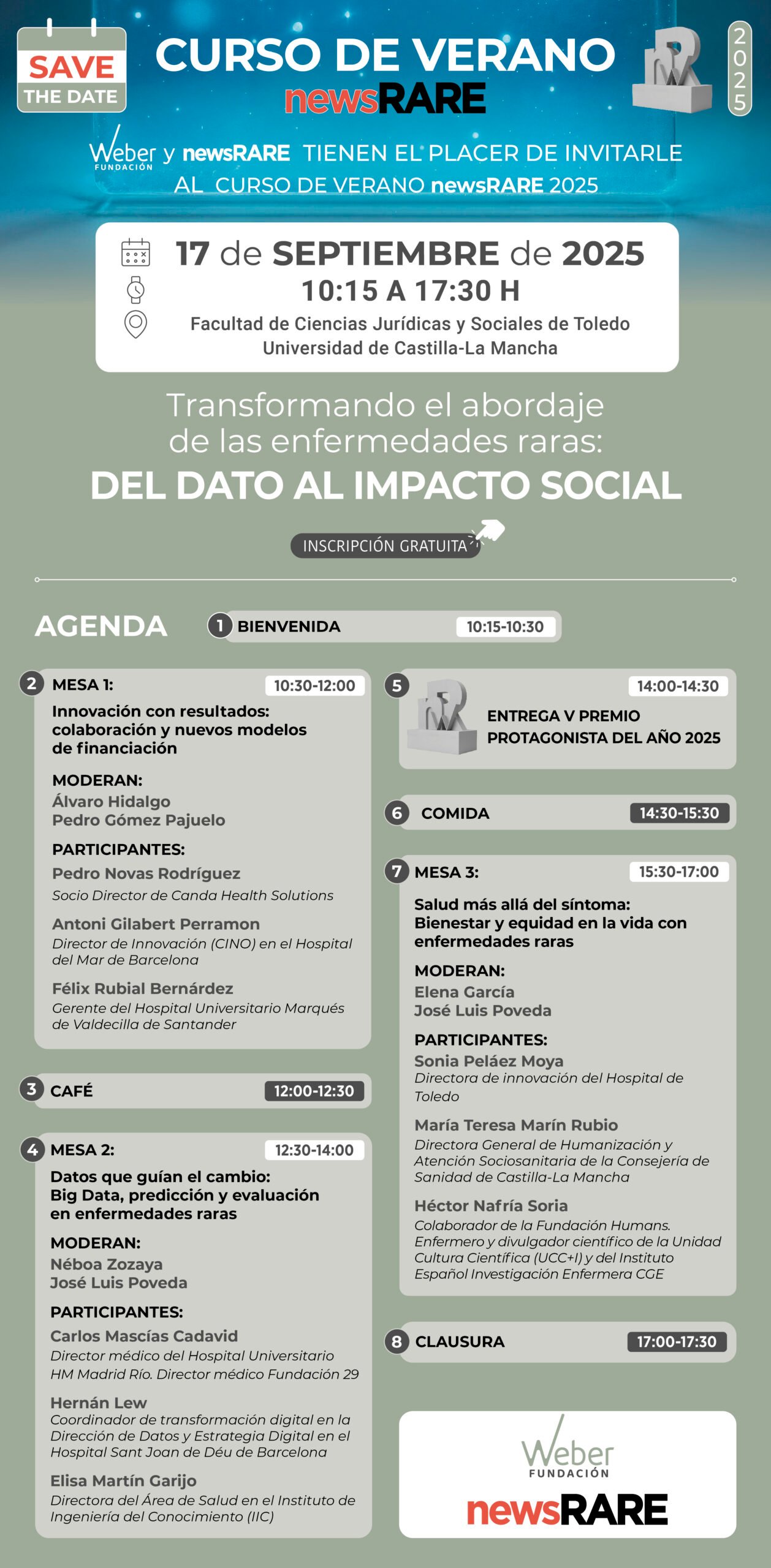
    VI EDICIÓN DEL CURSO DE VERANO newsRARE 2025 Transformando el abordaje de las enfermedades raras: DEL DATO AL IMPACTO SOCIAL

    El próximo 17 de septiembre de 2025, en la Universidad de Castilla-La Mancha (Facultad de Ciencias Jurídicas y Sociales de Toledo) se celebrará el VI Curso de Verano newsRARE 2025: “Transformando el abordaje de las enfermedades raras: del dato al impacto social”.

    A lo largo de la jornada se desarrollarán tres mesas de debate  y se entregará el  V Premio Protagonista del Año 2025.

    Fecha: 17 de septiembre de 2025

    Lugar: UCLM, Facultad de Ciencias Jurídicas y Sociales de Toledo

    Horario: 10:15 – 17:30 horas

    Inscripciones gratuitas: VI EDICIÓN DEL CURSO DE VERANO newsRARE

    Agenda: Agenda

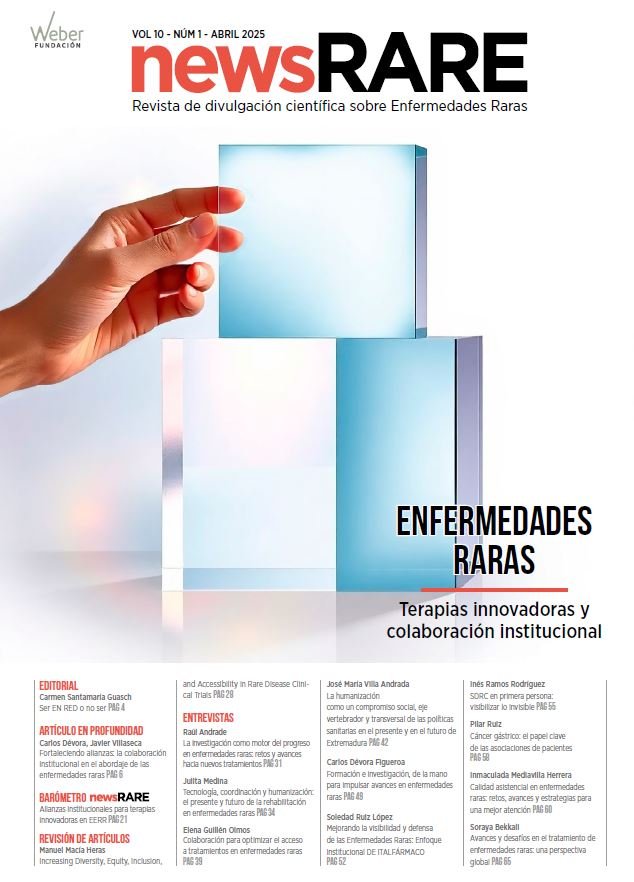
    VOL 10 – NÚM 1 – ABRIL 2025

    Descarga el número en PDF

    DESCARGAR


    EL CNIO TRATA CON ÉXITO EN EL HOSPITAL LA PAZ UNA ENFERMEDAD RARA AUTOINMUNE CON UNA TERAPIA CAR-T

    Una niña con una enfermedad autoinmune rara, dermatomiositis anti-MDA5, ha sido tratada con éxito en el Hospital La Paz con una terapia CAR-T, marcando un hito en la medicina pediátrica.

    Con una mortalidad cercana al 60 % y sin tratamientos específicos, la enfermedad afecta gravemente al sistema inmunitario y los pulmones. Ante la falta de opciones y el ingreso de la paciente en UCI, el equipo médico decidió administrarle la CAR-T ARI-0001, desarrollada por el Hospital Clínic de Barcelona, mediante uso compasivo. La terapia consiguió reiniciar de forma segura el sistema inmunológico, permitiendo la retirada de tratamientos convencionales. Un año después, la niña sigue en remisión, respira por sí misma y mejora progresivamente su capacidad motora.

    El caso, publicado en Med, es el primero en aplicar esta terapia en una enfermedad autoinmune pediátrica no oncológica. La investigación, liderada por la Unidad Mixta de Oncohematología Pediátrica IdiPAZ-CNIO, ha permitido estudiar los cambios inmunológicos tras el tratamiento, sentando bases para su uso en futuros casos. Este avance ha sido posible gracias a un equipo multidisciplinar del Hospital La Paz, el CNIO, CRIS contra el Cáncer, el Hospital Niño Jesús y el Clínic de Barcelona.

    Artículo de referencia: París-Muñoz A, Alcobendas-Rueda RM, Verdú-Sánchez C, Udaondo C, Galán-Gómez V, González-Martínez B, et al. CD19 CAR-T cell therapy in a pediatric patient with MDA5+ dermatomyositis and rapidly progressive interstitial lung disease. Med. 2025 Apr 25:100676. doi: 10.1016/j.medj.2025.100676.

    PRESENTACIÓN DEL LIBRO BLANCO DEL CÁNCER GÁSTRICO: RETOS Y AVANCES EN SU PREVENCIÓN Y TRATAMIENTO EN ESPAÑA

    Con motivo del Día Internacional del Cáncer Gástrico, la Fundación Weber, en colaboración con Astellas Pharma, ha lanzado el “Libro Blanco del Cáncer Gástrico y de Unión Gastroesofágica en España”. Este libro se presenta como una herramienta esencial para comprender los retos y progresos en la lucha contra uno de los tipos de cáncer más comunes a nivel global. En España, según la estimación de la Sociedad Española de Oncología Médica (SEOM), se prevé que en 2024 se diagnostiquen 6.868 nuevos casos de cáncer gástrico.

    El propósito principal de este libro es impulsar acciones que mejoren tanto la prevención como la atención del cáncer gástrico dentro de un sistema sanitario complejo. A través de un enfoque crítico y multidisciplinario, aborda los aspectos más relevantes para un manejo integral de la enfermedad, desde la prevención y el diagnóstico temprano hasta el tratamiento y la humanización de la atención al paciente.

    Cristóbal Belda, director general del Instituto de Salud Carlos III, señala que esta obra no solo es una guía sobre el cáncer gástrico, sino también un recurso útil para abordar muchas otras enfermedades oncológicas y no oncológicas. Resalta la necesidad de avanzar en la investigación y en la implementación de medidas preventivas que disminuyan la incidencia de la enfermedad y mejoren la calidad de vida de los pacientes.

    Por su parte, Pilar Ruiz, presidenta de la Asociación contra el Cáncer Gástrico y gastrectomizados (ACCGG), enfatiza la importancia de establecer un protocolo integral desde el momento del diagnóstico del cáncer gástrico. Subraya la relevancia de contar con un equipo multidisciplinario que acompañe al paciente durante todo el proceso, destacando la necesidad de un psicooncólogo y un nutricionista especializado en pacientes sin estómago, así como una Unidad del Dolor que brinde apoyo a aquellos que viven con el sufrimiento crónico asociado a la enfermedad. Ruiz también resalta la necesidad de una mayor concienciación sobre el cáncer gástrico. “No contamos con suficientes recursos para afrontar esta enfermedad. Necesitamos ser escuchados y recibir apoyo para todo lo que enfrentamos cada día”, afirma.

    El “Libro Blanco del Cáncer Gástrico y de Unión Gastroesofágica en España” plantea varias acciones clave dirigidas a profesionales sanitarios, gestores y responsables políticos para abordar la enfermedad de manera integral. Entre ellas se destacan la implementación de programas de diagnóstico temprano en poblaciones de riesgo, la formación continua de equipos multidisciplinares, y la inversión en investigación traslacional para desarrollar nuevas terapias.

    Finalmente, Belda subraya que este libro es esencial para comprender los desafíos que enfrentan tanto el sistema sanitario como los científicos en su lucha contra esta enfermedad. Aurea Toledo, Manager Value & HTA de Astellas España, concluye destacando el compromiso de la empresa en visibilizar el cáncer gástrico, mejorar el diagnóstico precoz y desarrollar nuevas alternativas terapéuticas para prolongar la supervivencia y mejorar la calidad de vida de los pacientes.

    Acceso al Libro Blanco del Cáncer Gástrico y de Unión Gastroesofágica en España: https://www.weber.org.es/publicacion/libro-blanco-del-cancer-gastri-co-y-de-union-gastroesofagica-en-espana/


    PONIENDO CARA AL ANGIOEDEMA HEREDITARIO

    El angioedema hereditario (AEH) es una enfermedad genética rara que afecta a aproximadamente 1.000 personas en España. Esta condición provoca episodios recurrentes e impredecibles de hinchazón en diversas partes del cuerpo, como el rostro, extremidades, abdomen y, en los casos más graves, las vías respiratorias, lo que puede poner en riesgo la vida del paciente. Los ataques pueden durar hasta cinco días y causar desfiguración temporal, dolor, vómitos, diarrea y dificultades respiratorias, especialmente si afectan la laringe. Aunque la enfermedad no provoca discapacidad física ni psíquica permanente, su impacto en la calidad de vida es significativo, ya que los pacientes deben enfrentarse a la incertidumbre constante de los episodios.

    El 28 de febrero, Día Mundial de las Enfermedades Raras, el Hospital Universitario Vall d’Hebron de Barcelona acogió la exposición itinerante “Poniendo cara al angioedema hereditario”, con el objetivo de concienciar sobre esta patología. A pesar de que existen herramientas diagnósticas, el retraso en el diagnóstico es frecuente, ya que los episodios periféricos a menudo se confunden con reacciones alérgicas, lo que puede llevar hasta 15 años en algunos casos.

    La concienciación y el diagnóstico temprano son esenciales para mejorar la calidad de vida de los afectados.

    Detalles sobre el Angioedema Hereditario

    Como explica la Dra. Mar Guilarte, alergóloga y Coordinadora del CSUR Angioedema Hereditario en el Hospital Universitario Vall d’Hebron, el angioedema hereditario (AEH) provoca episodios recurrentes que pueden durar hasta cinco días, afectando diversas partes del cuerpo. Al ser una enfermedad genética, puede manifestarse desde la infancia hasta la edad adulta, y aunque no causa discapacidad física ni psíquica permanente, los episodios condicionan gravemente la vida diaria de los pacientes.

    Los ataques en la cara son especialmente desfigurantes, lo que impide a los pacientes realizar una vida normal, ya que no se reconocen a sí mismos en el espejo. Cuando los episodios afectan las manos o los pies, aunque no son tan visibles, también dificultan la realización de actividades cotidianas, como trabajar o practicar ciertos oficios. En casos más graves, los episodios pueden involucrar las vías respiratorias, como la laringe, lo que podría provocar asfixia y ser fatal, o el tracto gastrointestinal, con síntomas como dolor abdominal intenso y diarrea.

    El diagnóstico de AEH no es complejo, pero requiere una sospecha clínica adecuada, ya que los episodios periféricos (cara, manos, pies) suelen confundirse con reacciones alérgicas. Esto provoca un retraso en el diagnóstico, que en algunos casos puede extenderse hasta 15 años. Los ataques varían en frecuencia, desde dos veces por semana hasta solo uno o dos al año, pero todos los pacientes viven con la incertidumbre de no saber cuándo se desencadenará el siguiente episodio, lo que impacta en su calidad de vida y, en muchos casos, les ha costado oportunidades laborales y académicas.

    Tratamiento del angioedema hereditario

    El tratamiento del angioedema hereditario se basa en dos enfoques principales: la prevención de los ataques y el tratamiento durante los episodios.

    Para prevenir los ataques, existen medicamentos que se administran de forma profiláctica a largo plazo, tanto por vía oral como subcutánea. Estos están indicados especialmente para aquellos pacientes que experimentan ataques con frecuencia elevada.

    En cuanto al tratamiento de los episodios, se utilizan medicamentos que deben ser administrados exclusivamente en el ámbito hospitalario. Sin embargo, no todos los hospitales cuentan con estos tratamientos, lo que genera una importante variabilidad en el manejo de la enfermedad y en el acceso a las terapias, como señala la Dra. Mar Guilarte.

    “Poniendo cara al angioedema hereditario” ofrece una experiencia interactiva e inmersiva para ayudar a comprender los desafíos que enfrentan las personas con angioedema hereditario. La exposición forma parte de un recorrido nacional que ya ha llevado la muestra a otros espacios como el Hospital La Paz en Madrid, el Hospital Virgen del Rocío en Sevilla y el Congreso de la Sociedad Española de Alergología e Inmunología Clínica (SEAIC) en Bilbao. Entre sus próximas paradas se encuentra el Complexo Hospitalario Universitario de Vigo, a partir del 16 de mayo.

    Sobre BioCryst Pharmaceuticals
    BioCryst es una empresa biotecnológica comprometida con el desarrollo de medicamentos innovadores, encaminados a mejorar la calidad de vida de los pacientes con enfermedades raras y graves. Mediante la biología tradicional, la química médica y el uso de la tecnología
    avanzada, BioCryst investiga las proteínas de patologías concretas, átomo a átomo, para crear fármacos orales óptimos y guiados que combatan la enfermedad en el lugar activo. La compañía se centra, sobre todo, en tratar el Angioedema Hereditario (AEH).

    AEH-ES-MA-2025-007

    Más información: https://www.lasexta.com/bienestar/que-angioedema-hereditario-enfermedad-rara-que-afecta-1000-personas-espana_2025022867bf3f13829a0900018e5e3c.html

    NO TE PIERDAS